Azmaya & Osamu Saruyama
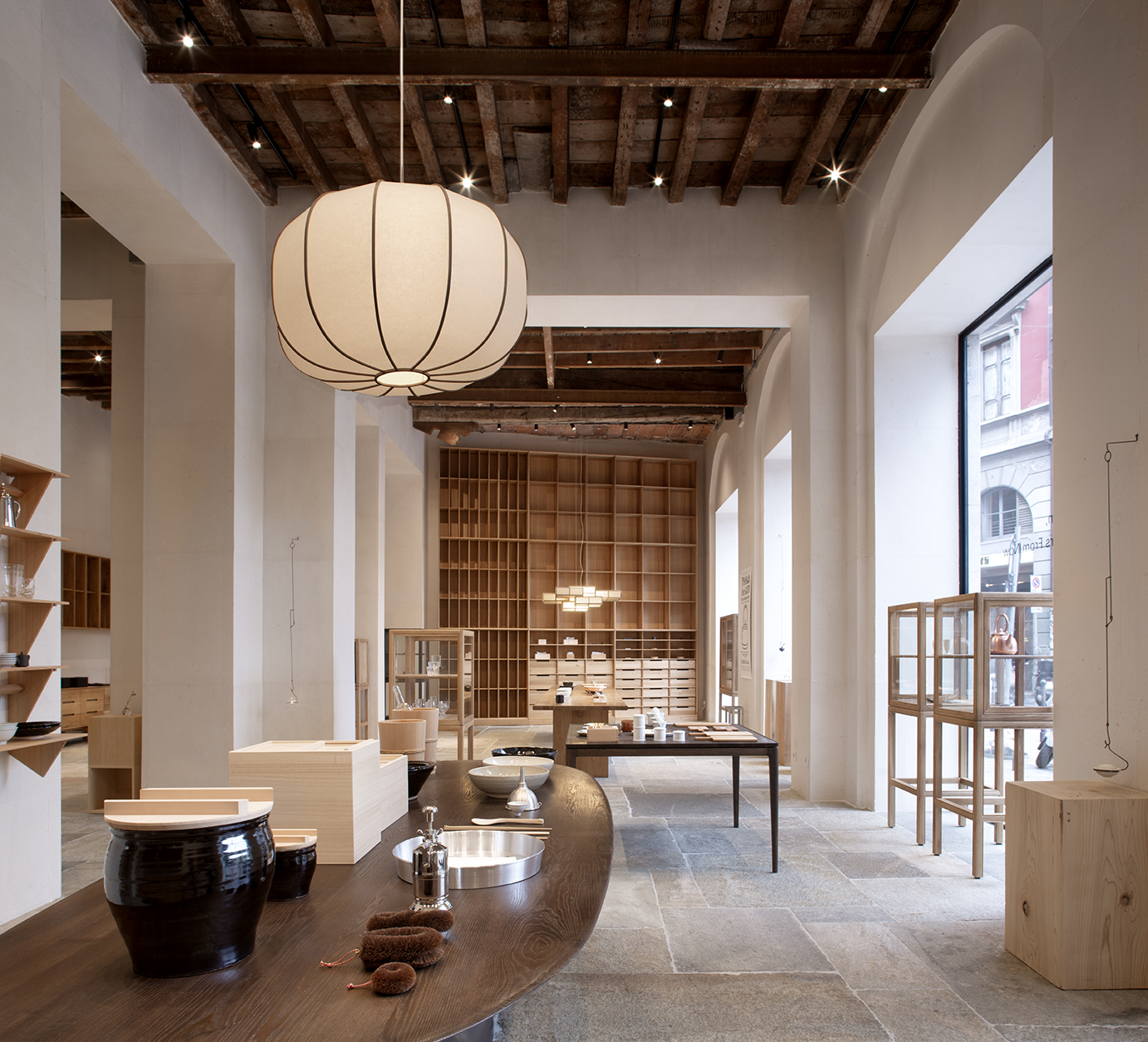
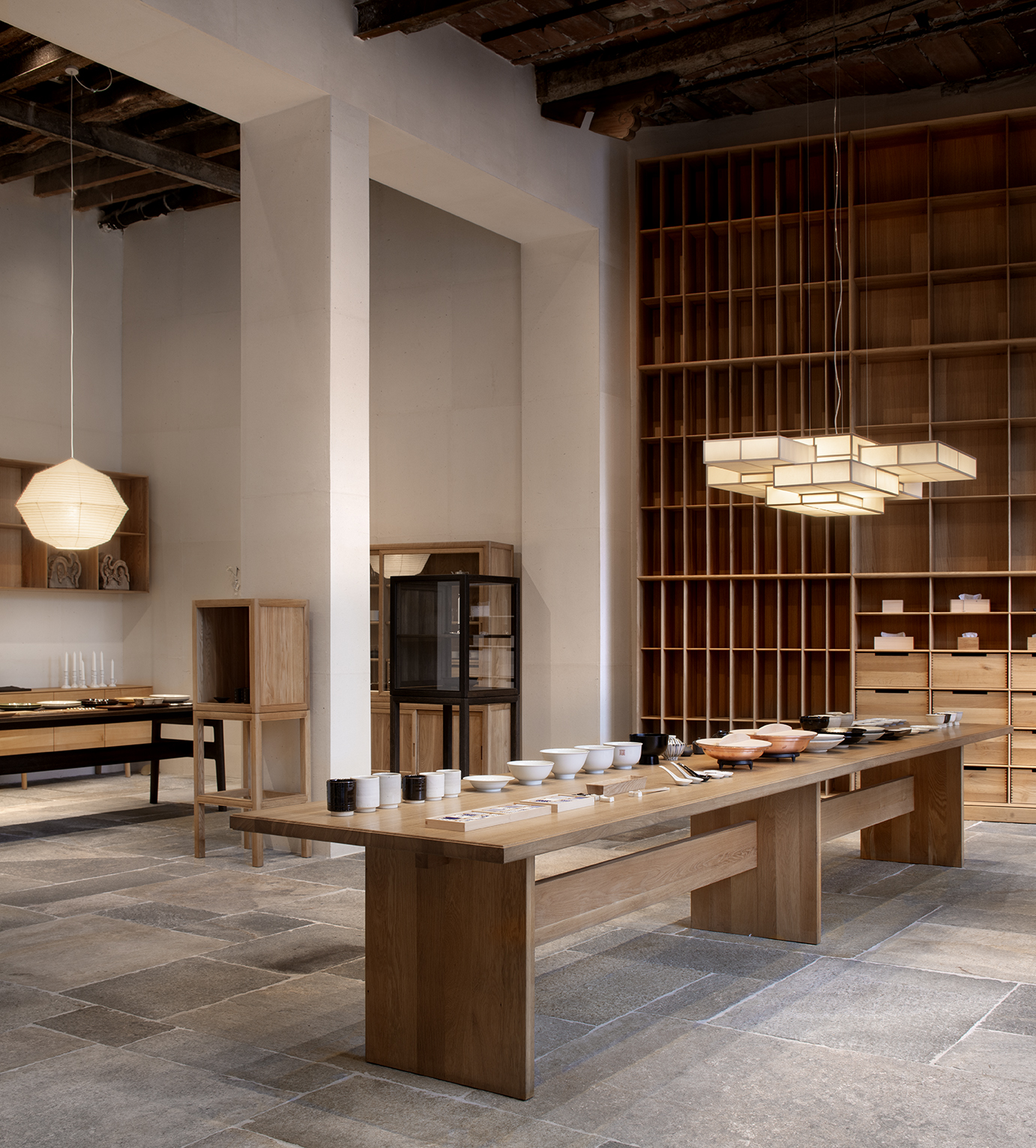
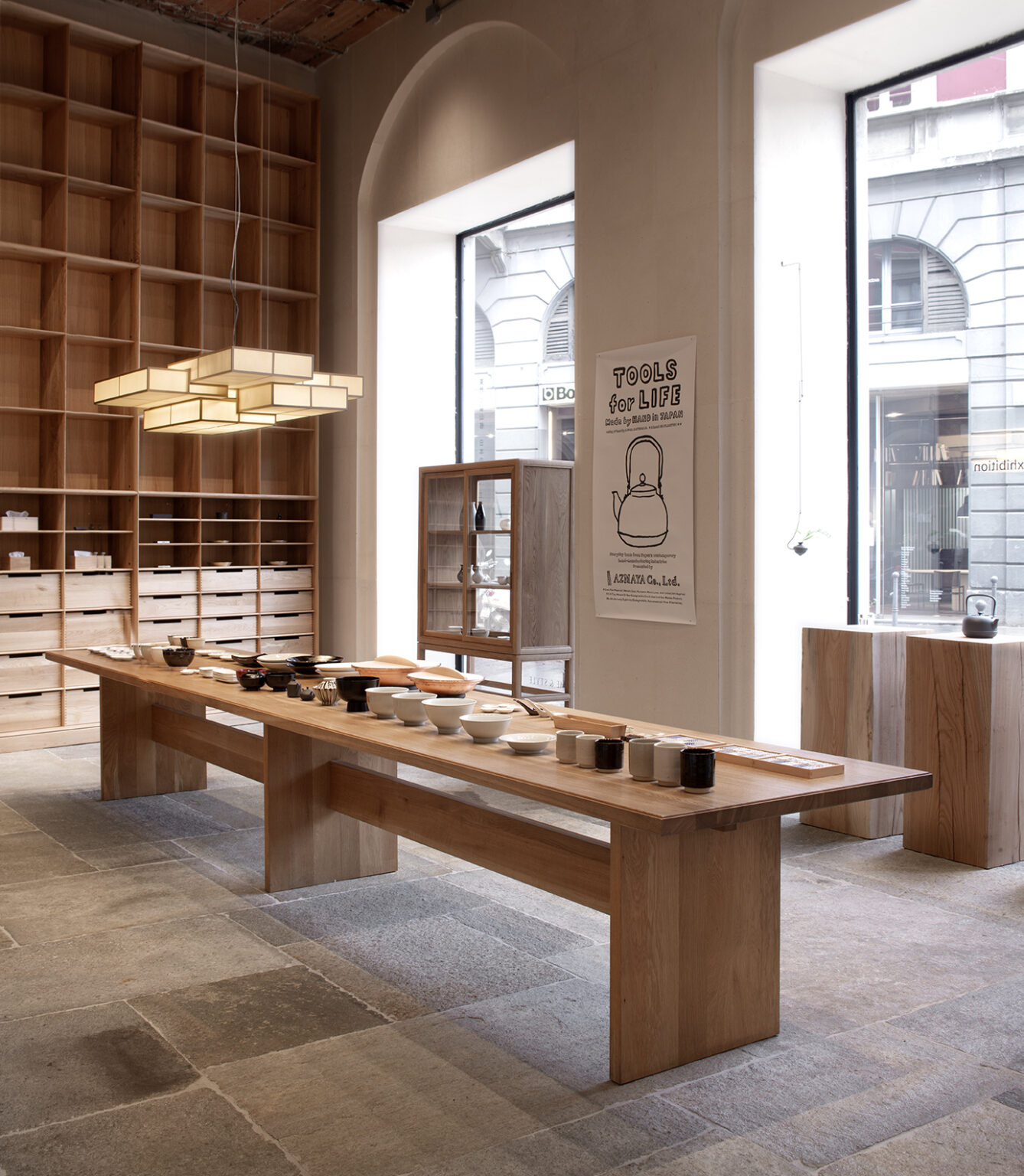
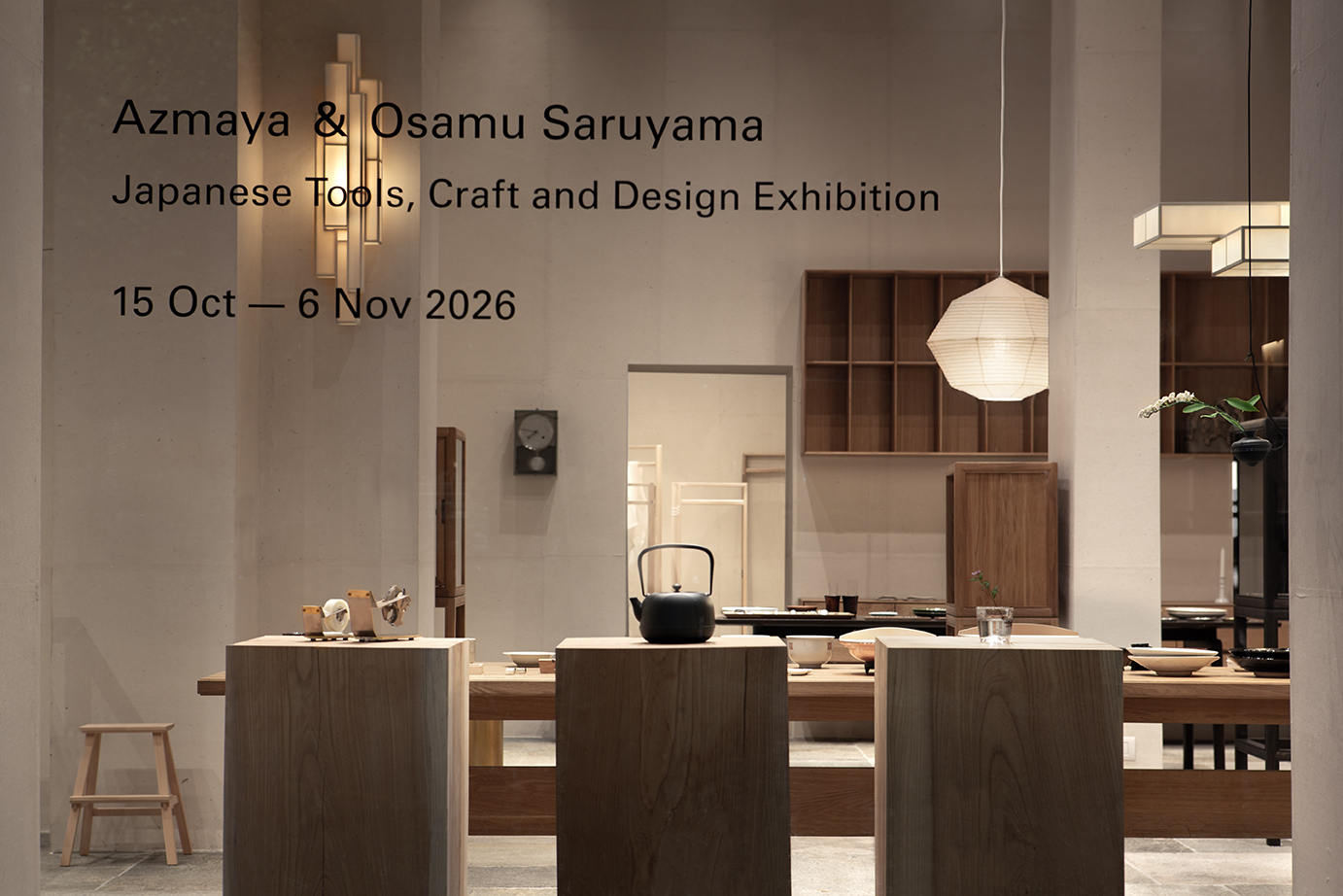
Japanese Tools, Craft and Design Exhibition at Time & Style Milan
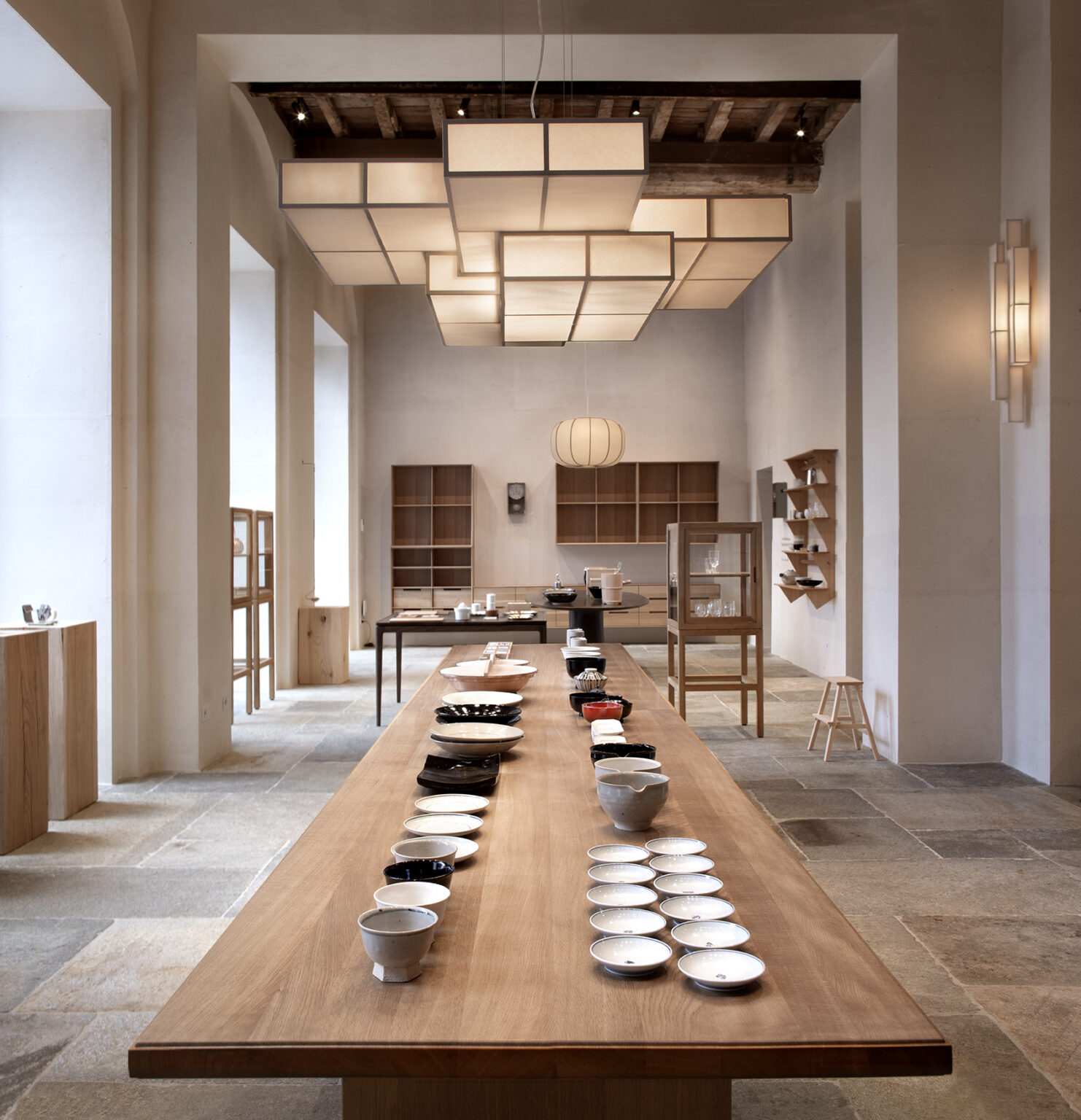
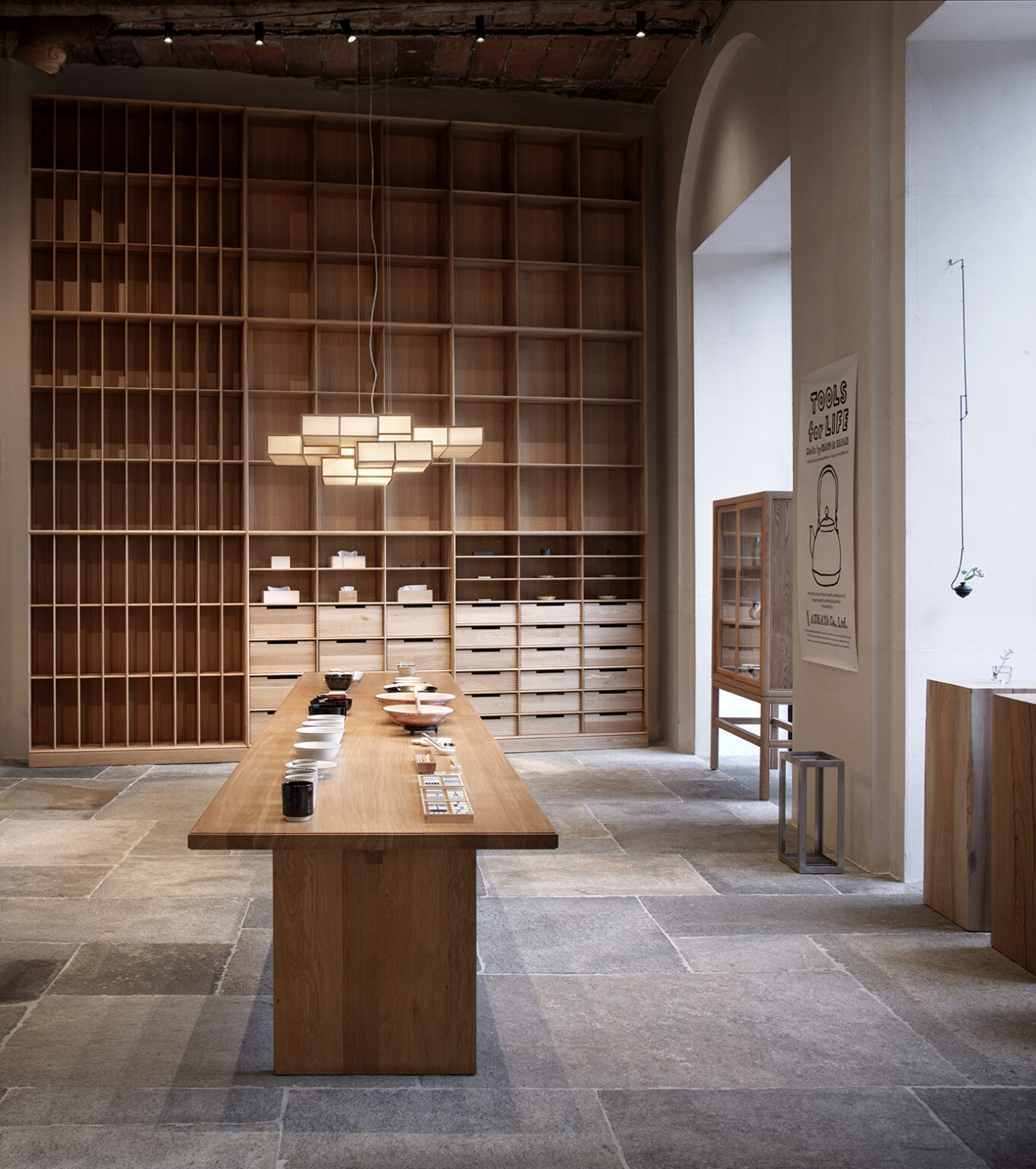
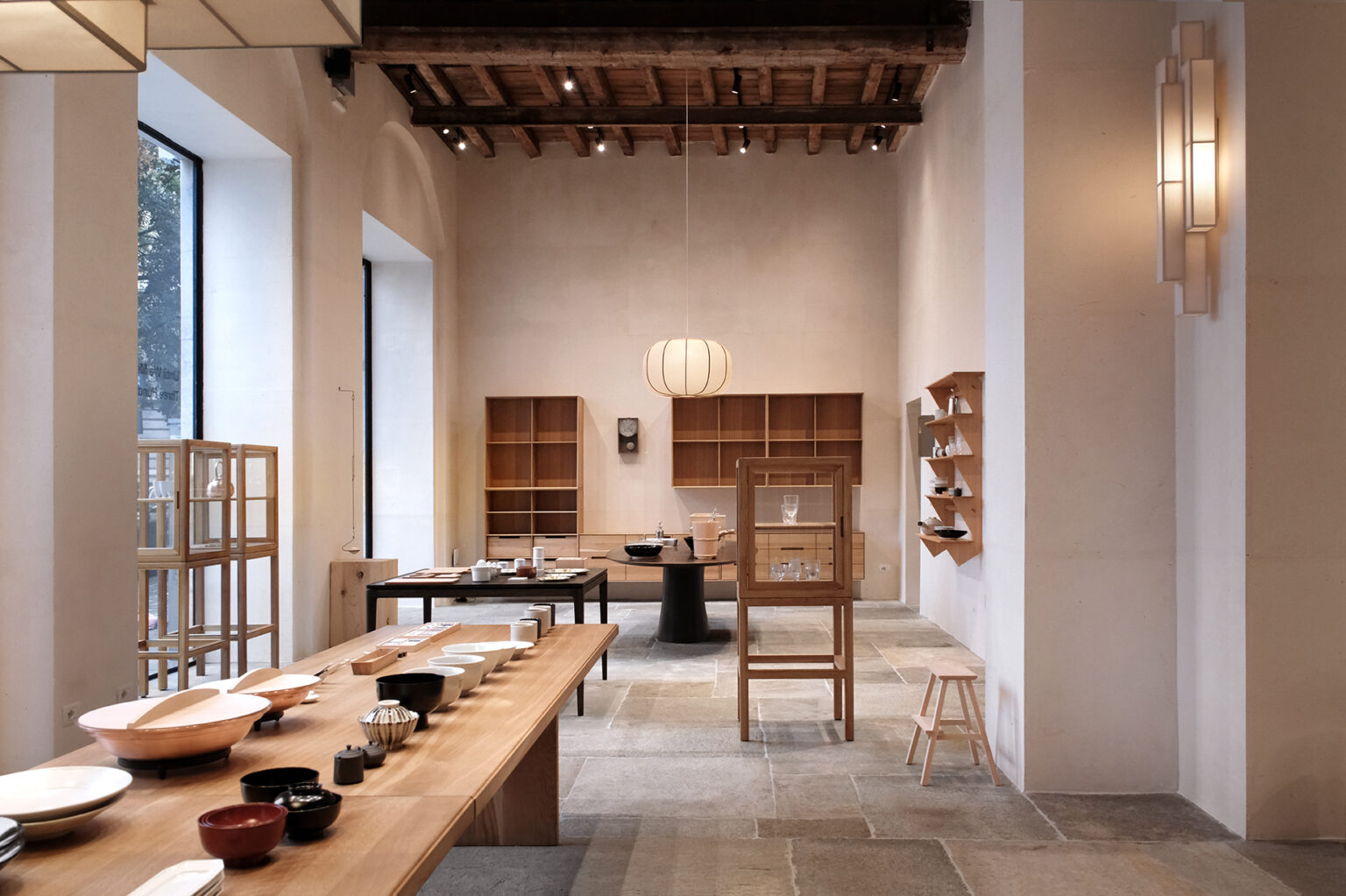
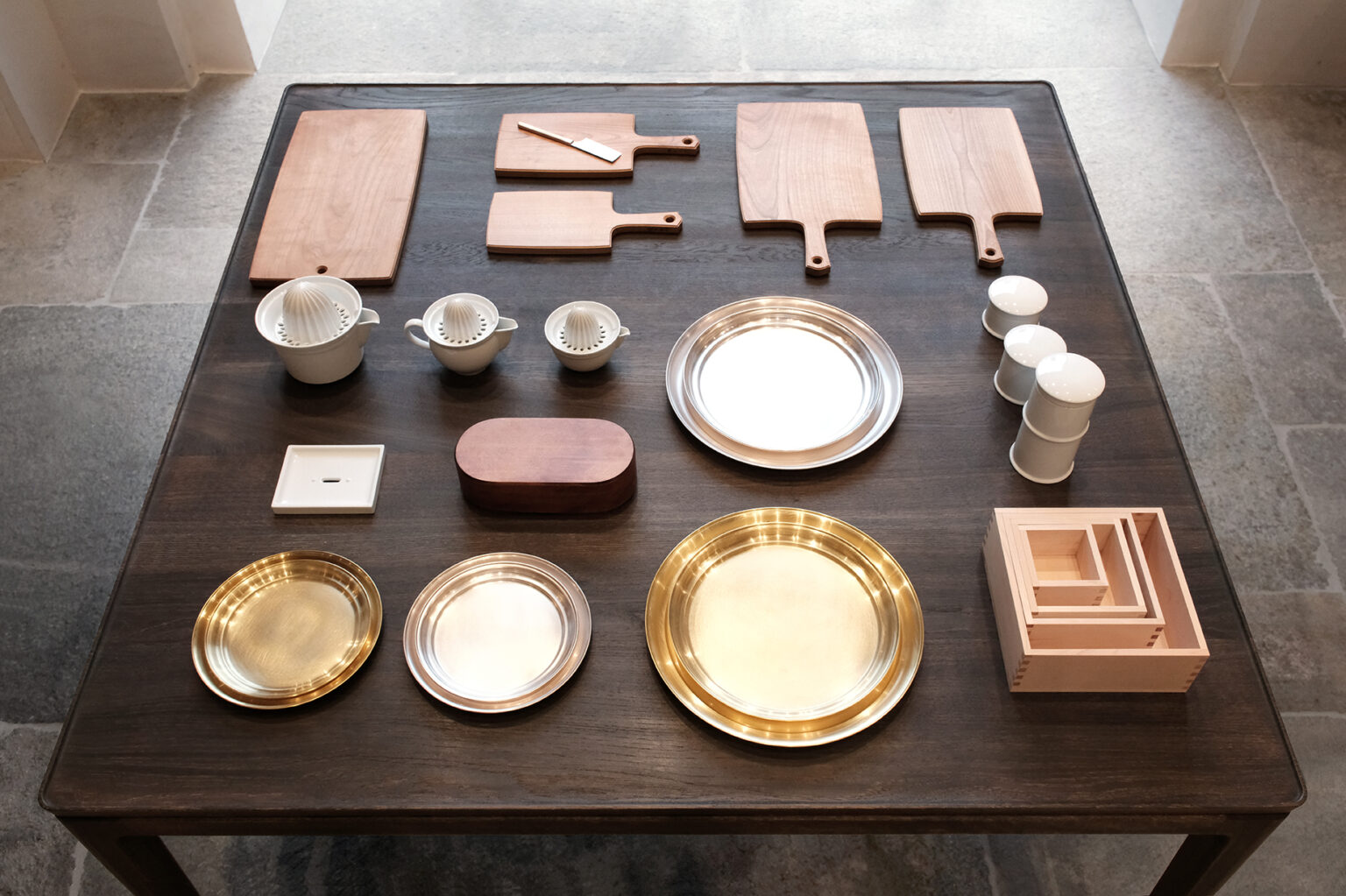
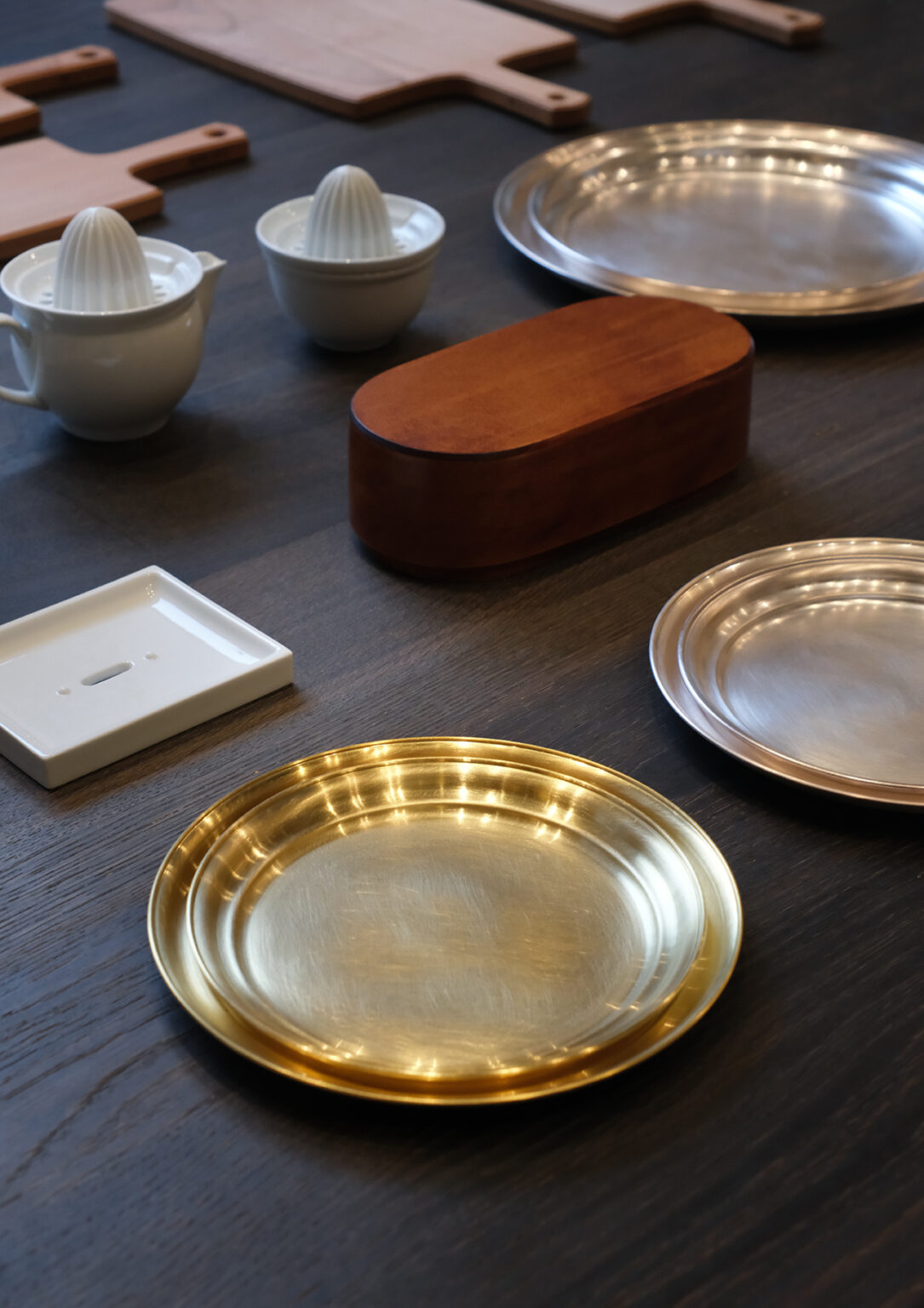
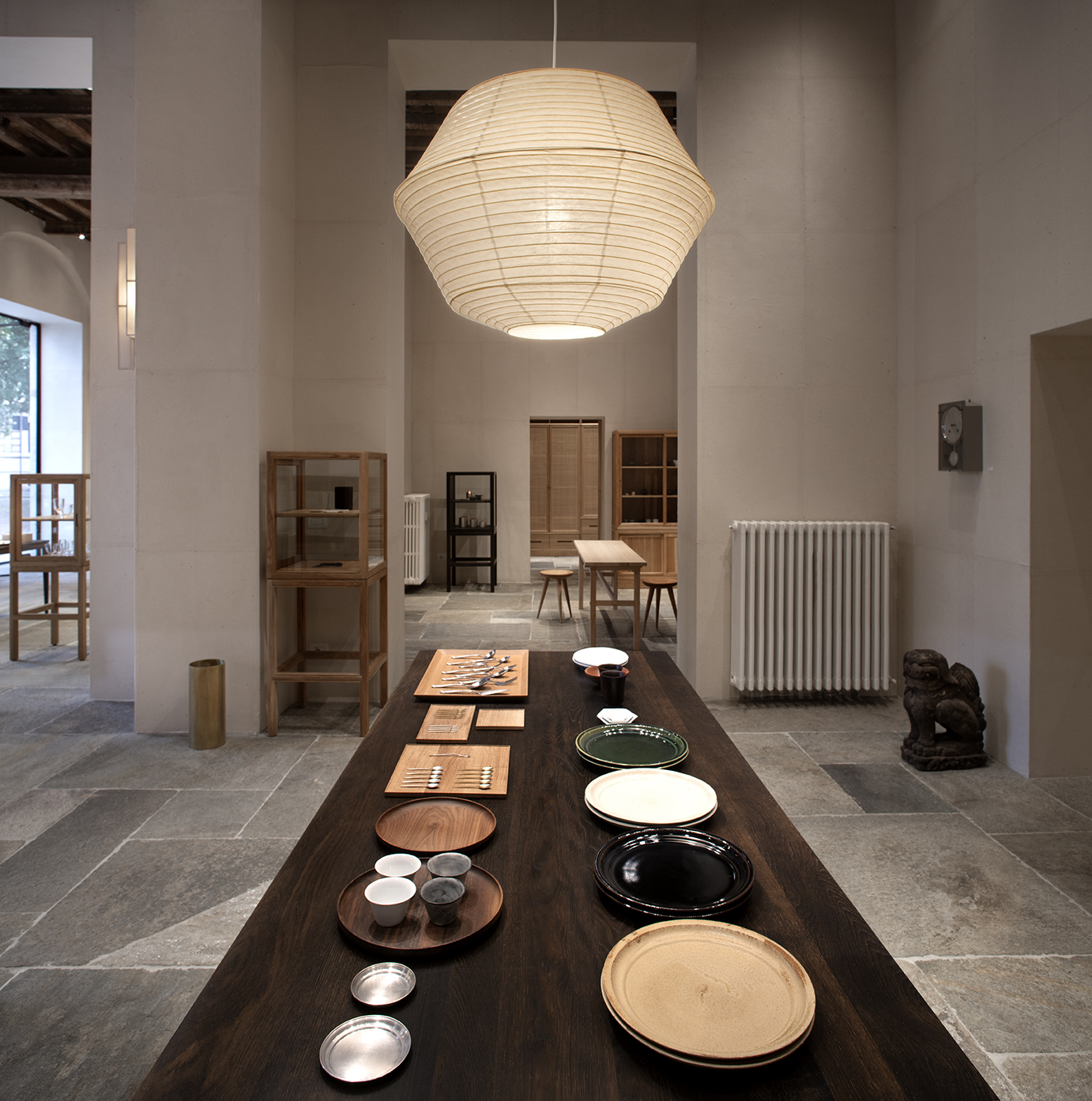
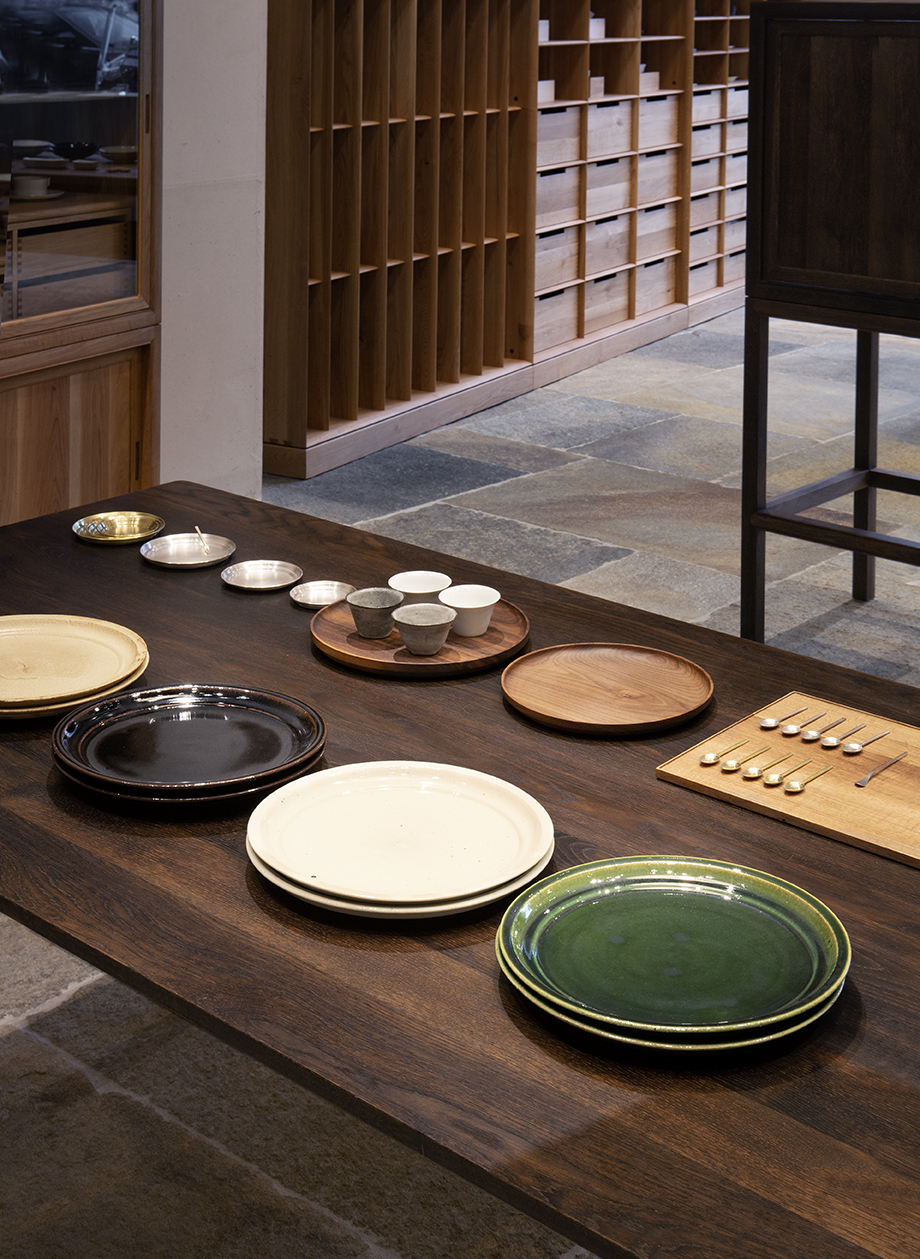
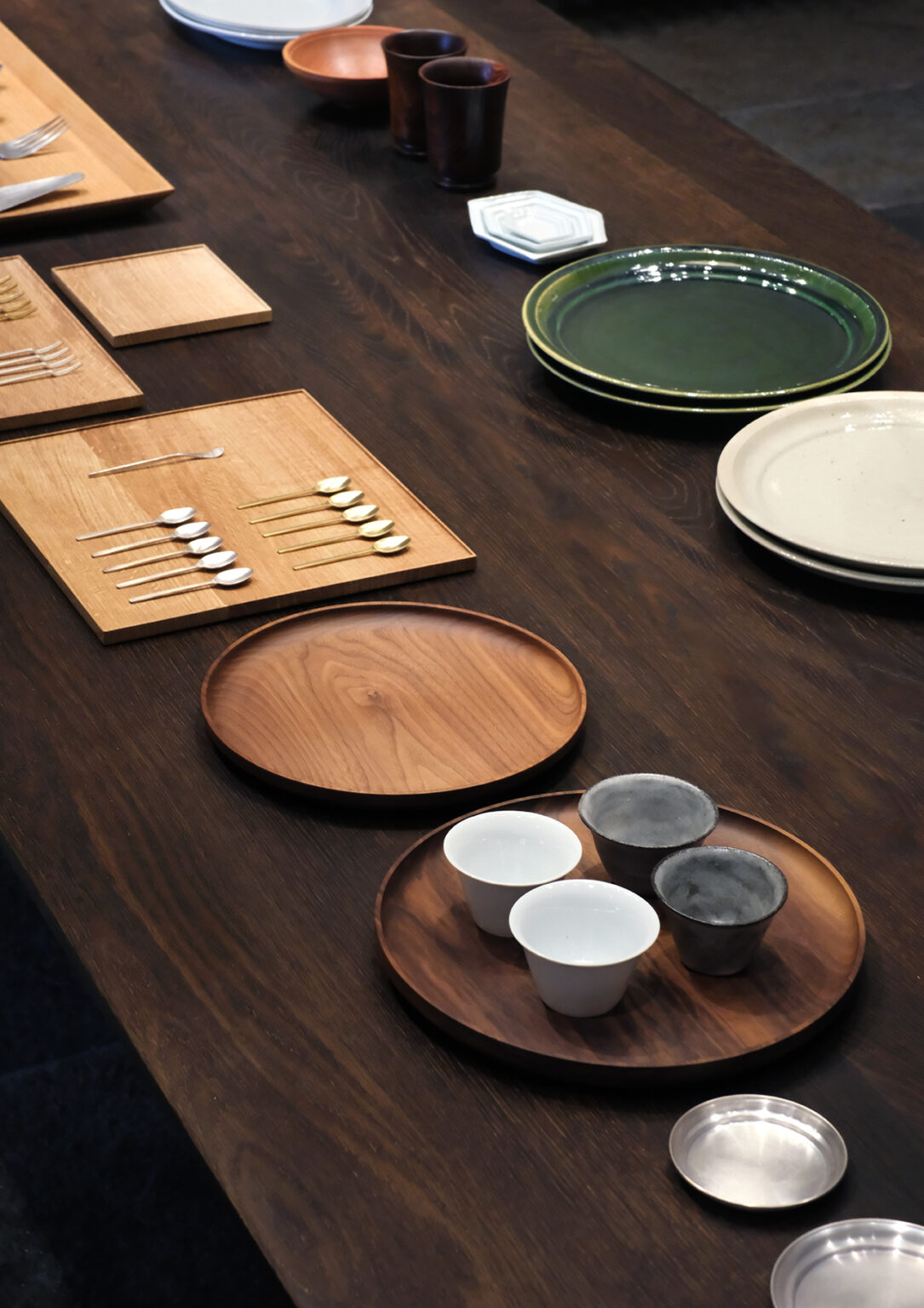
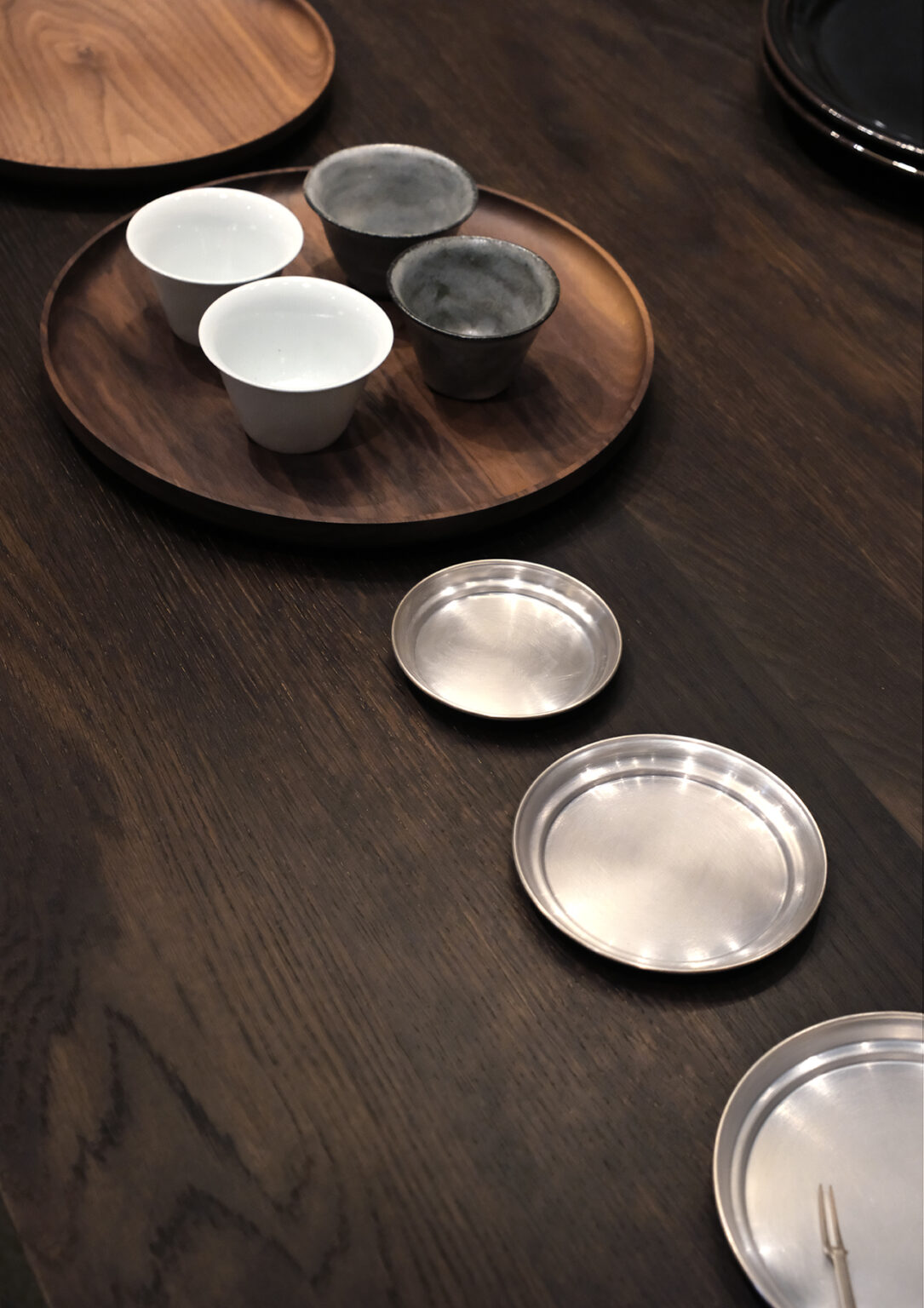
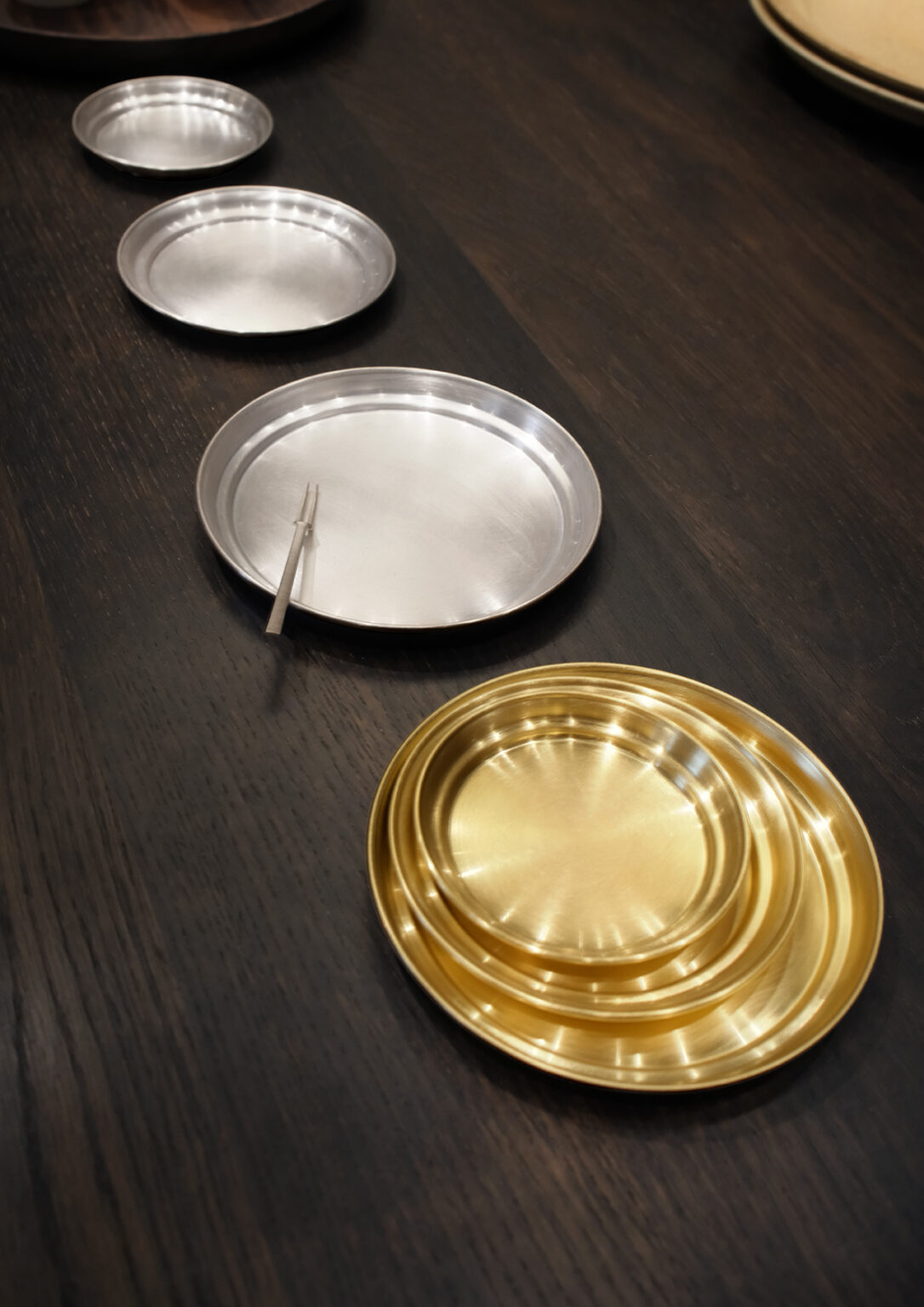
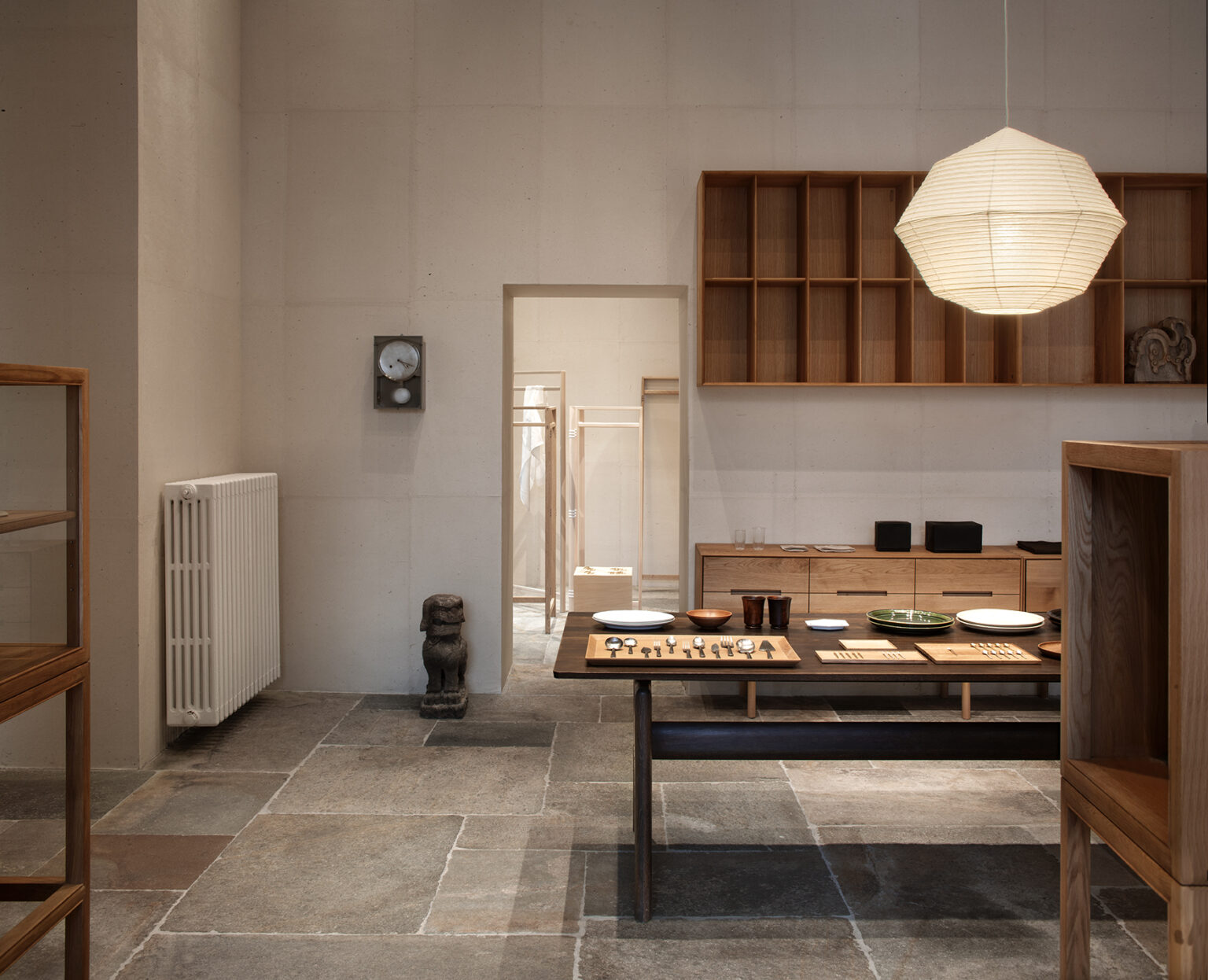
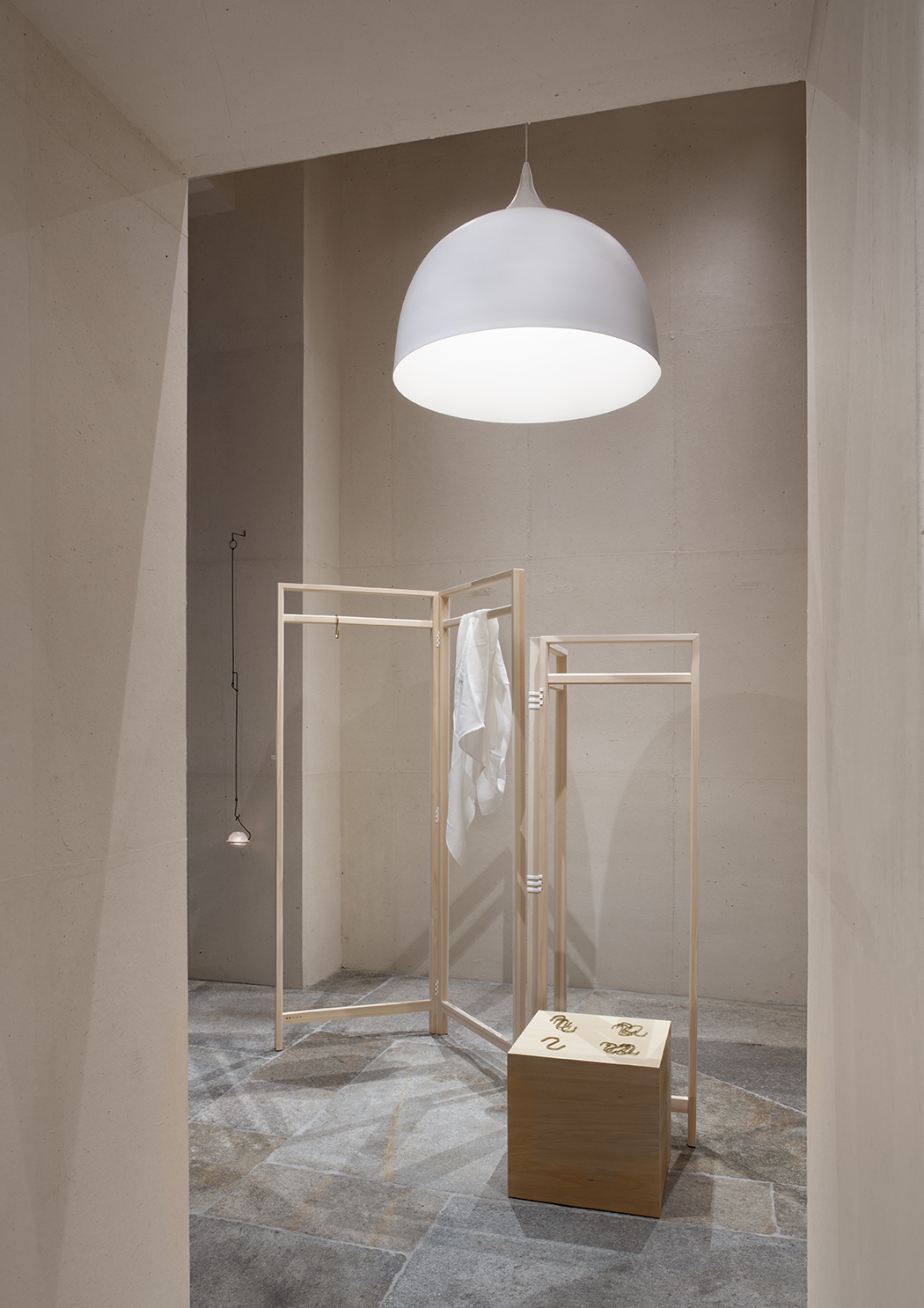
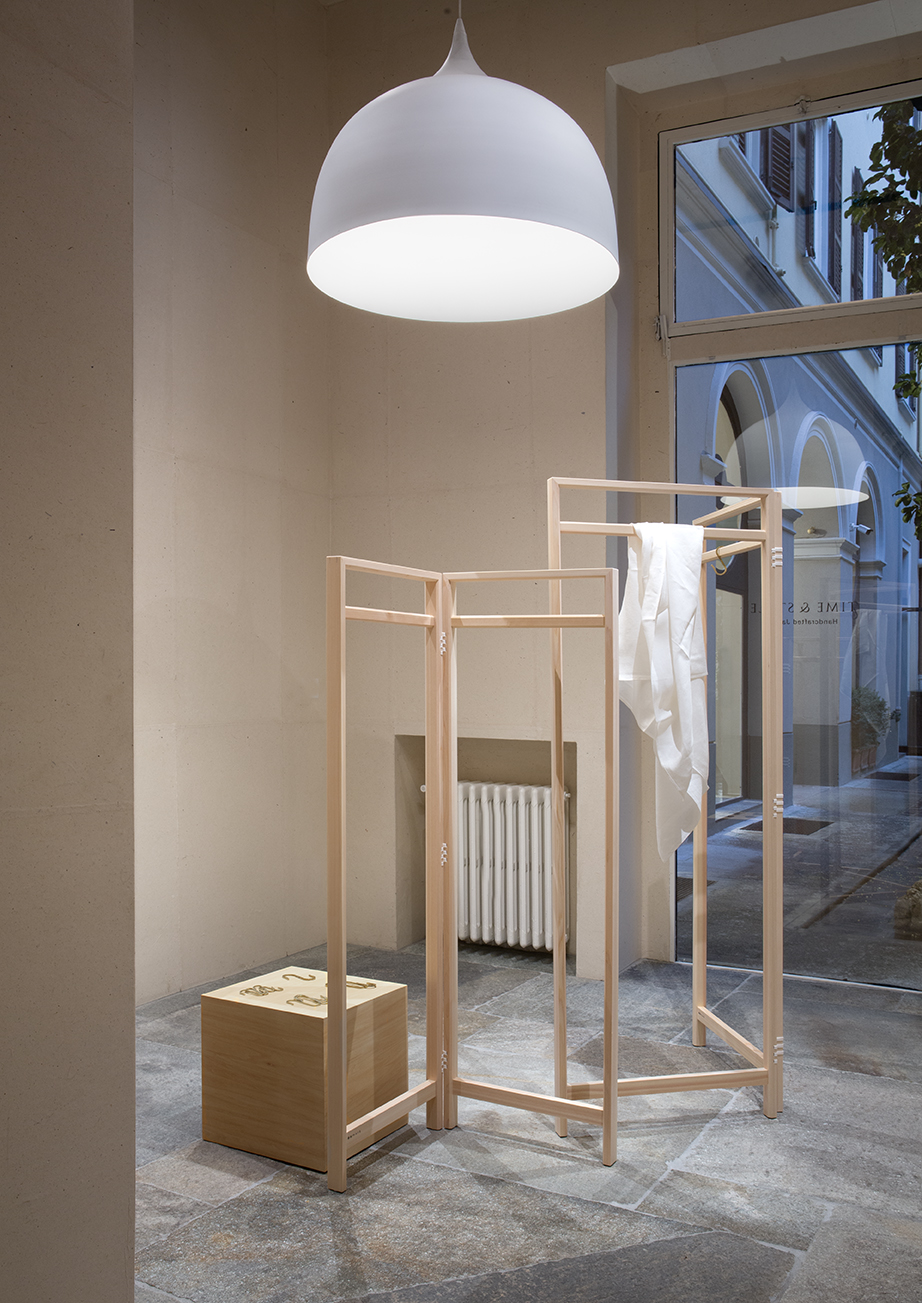
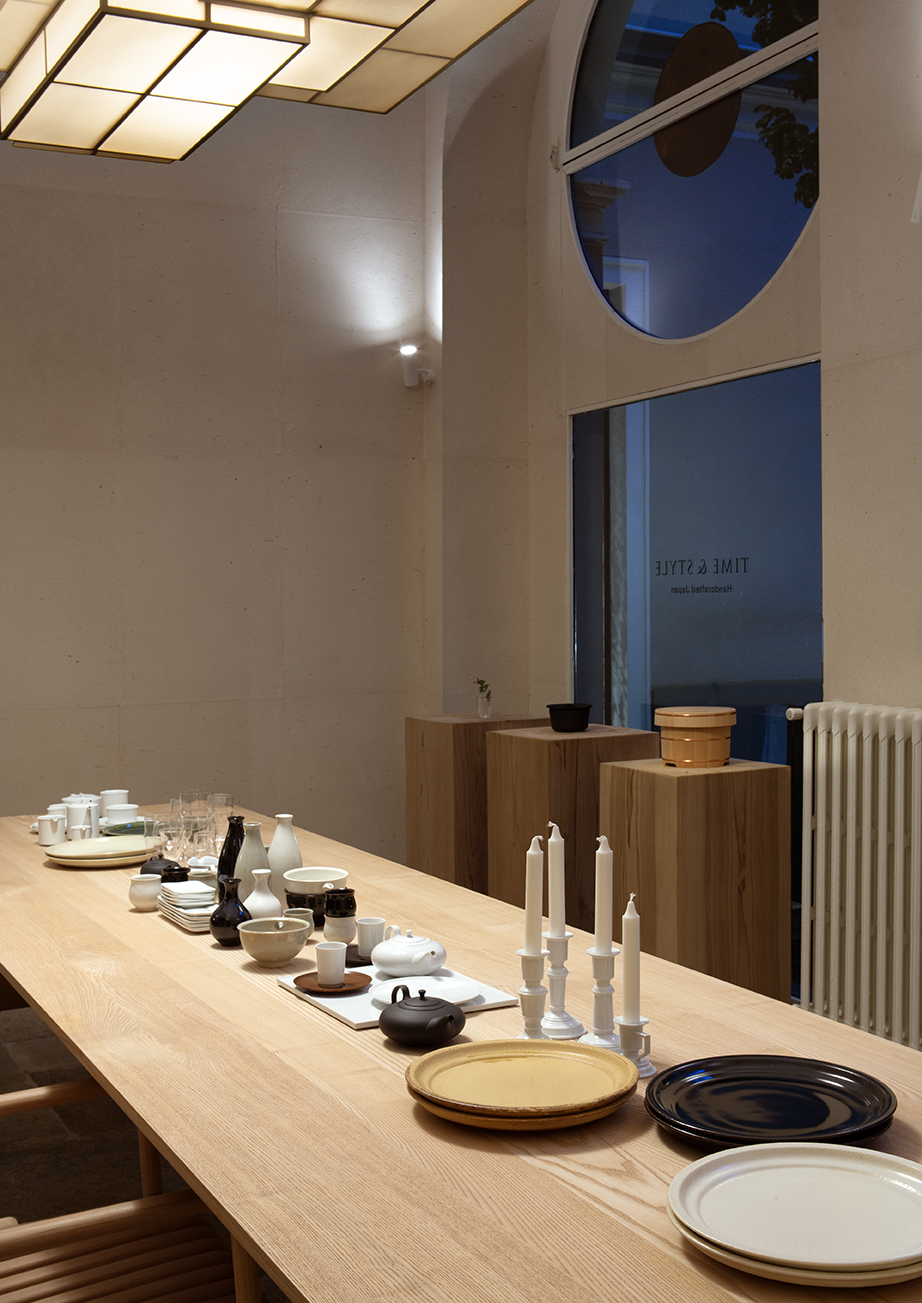
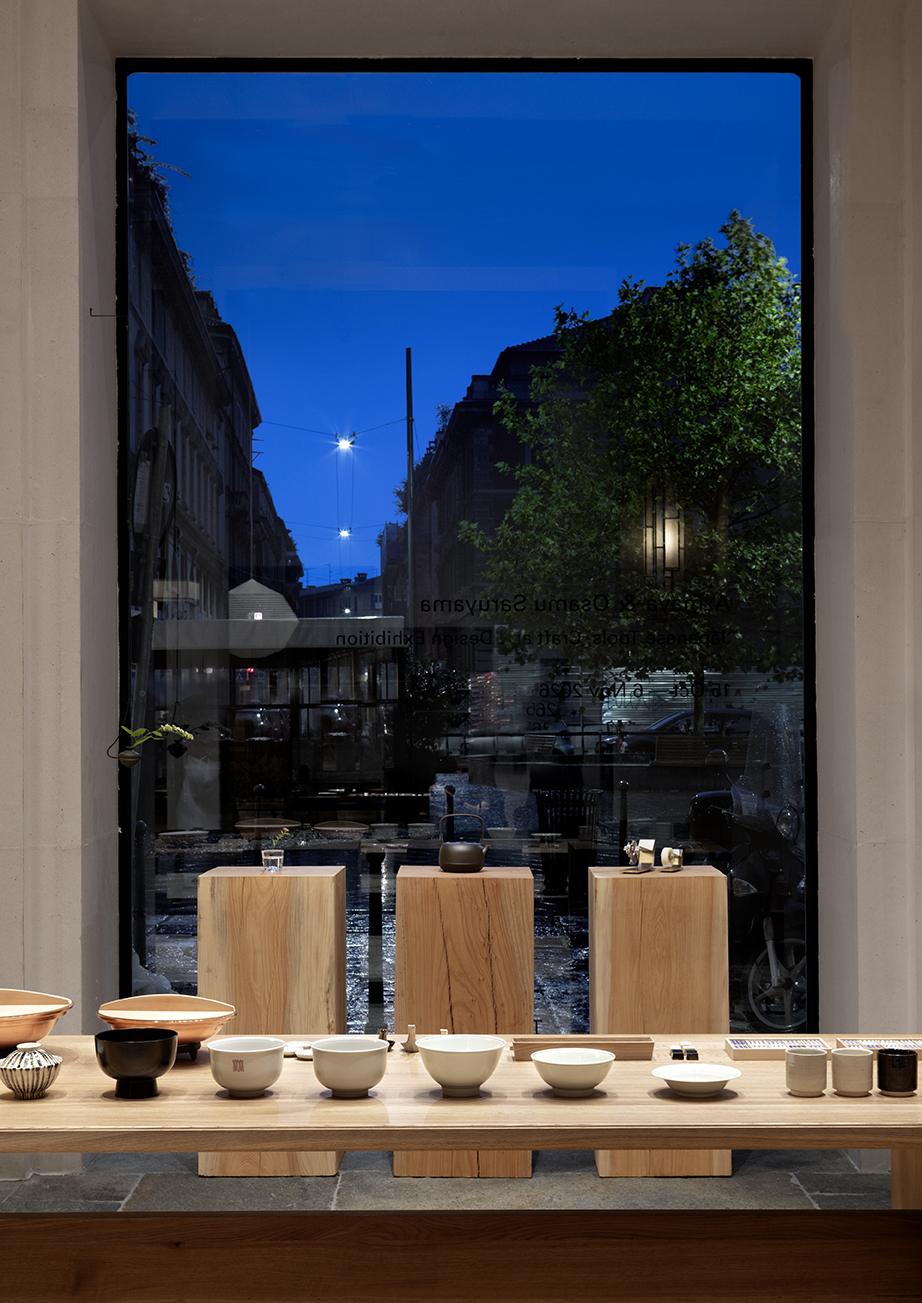
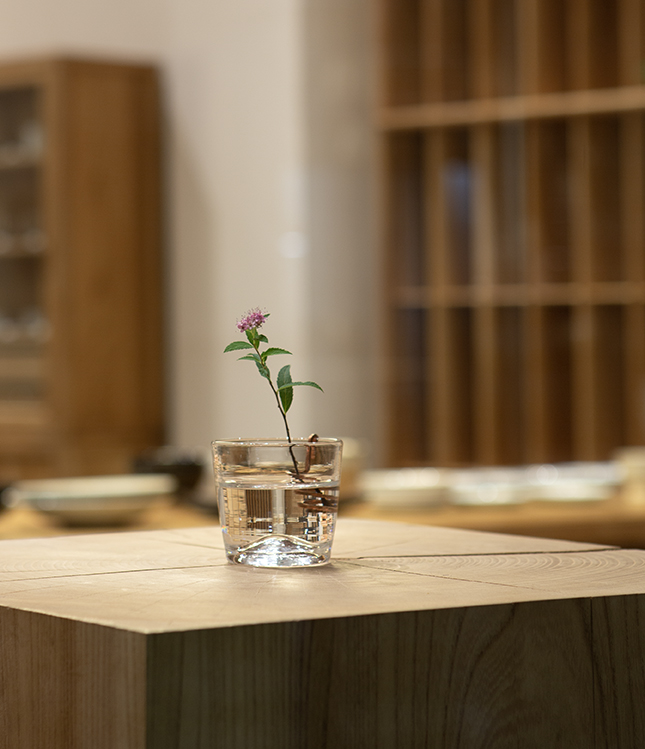
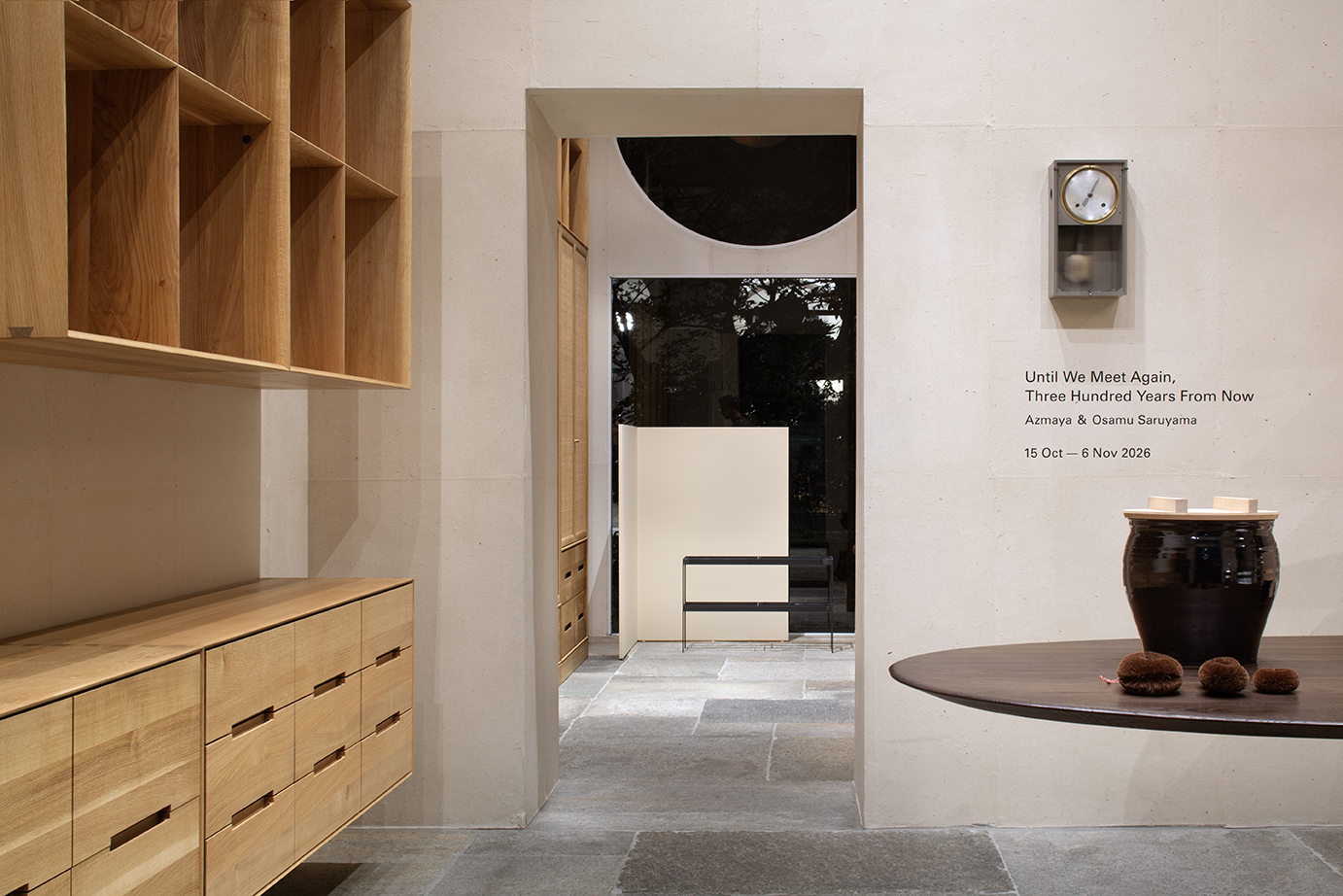
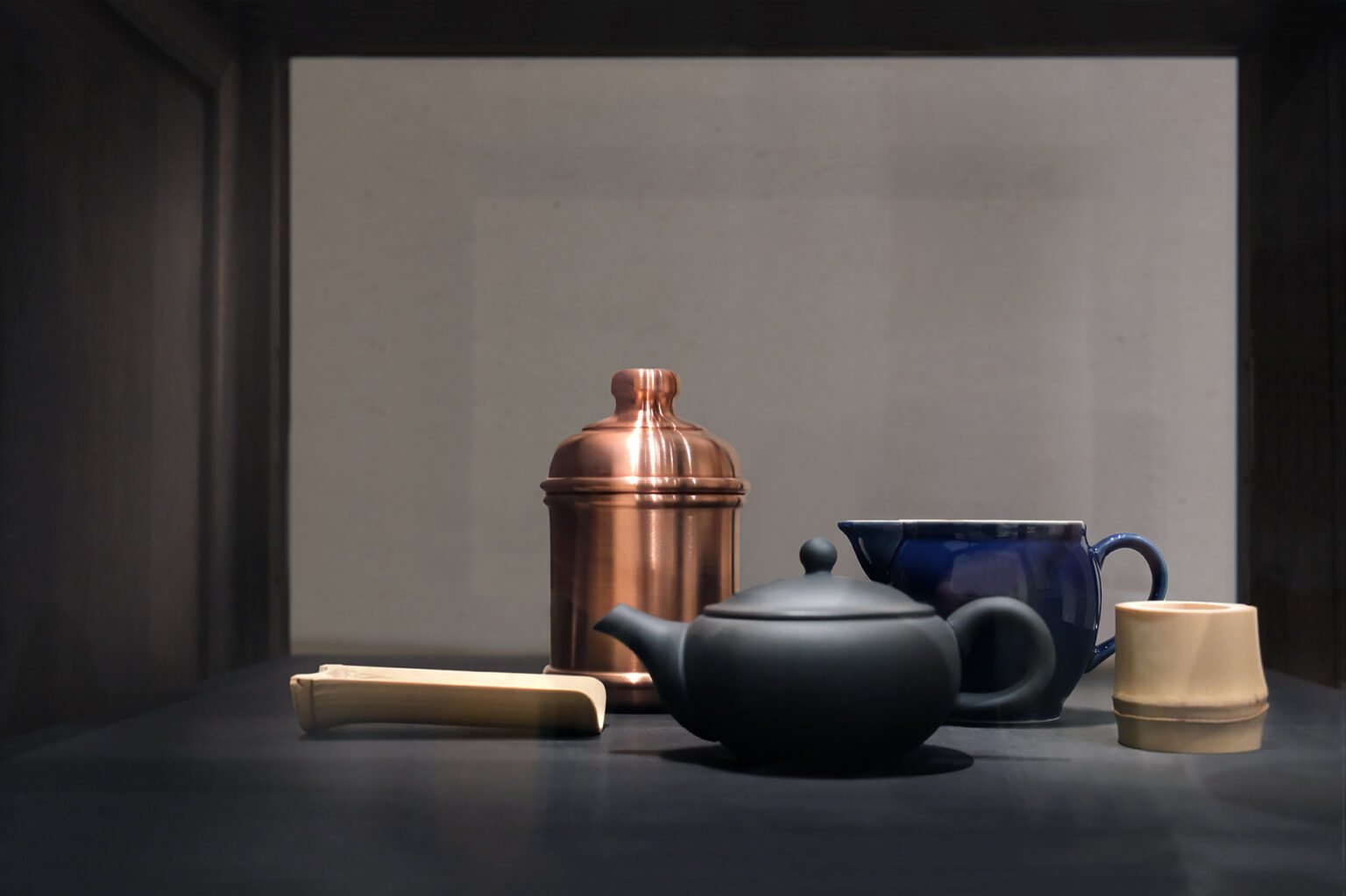
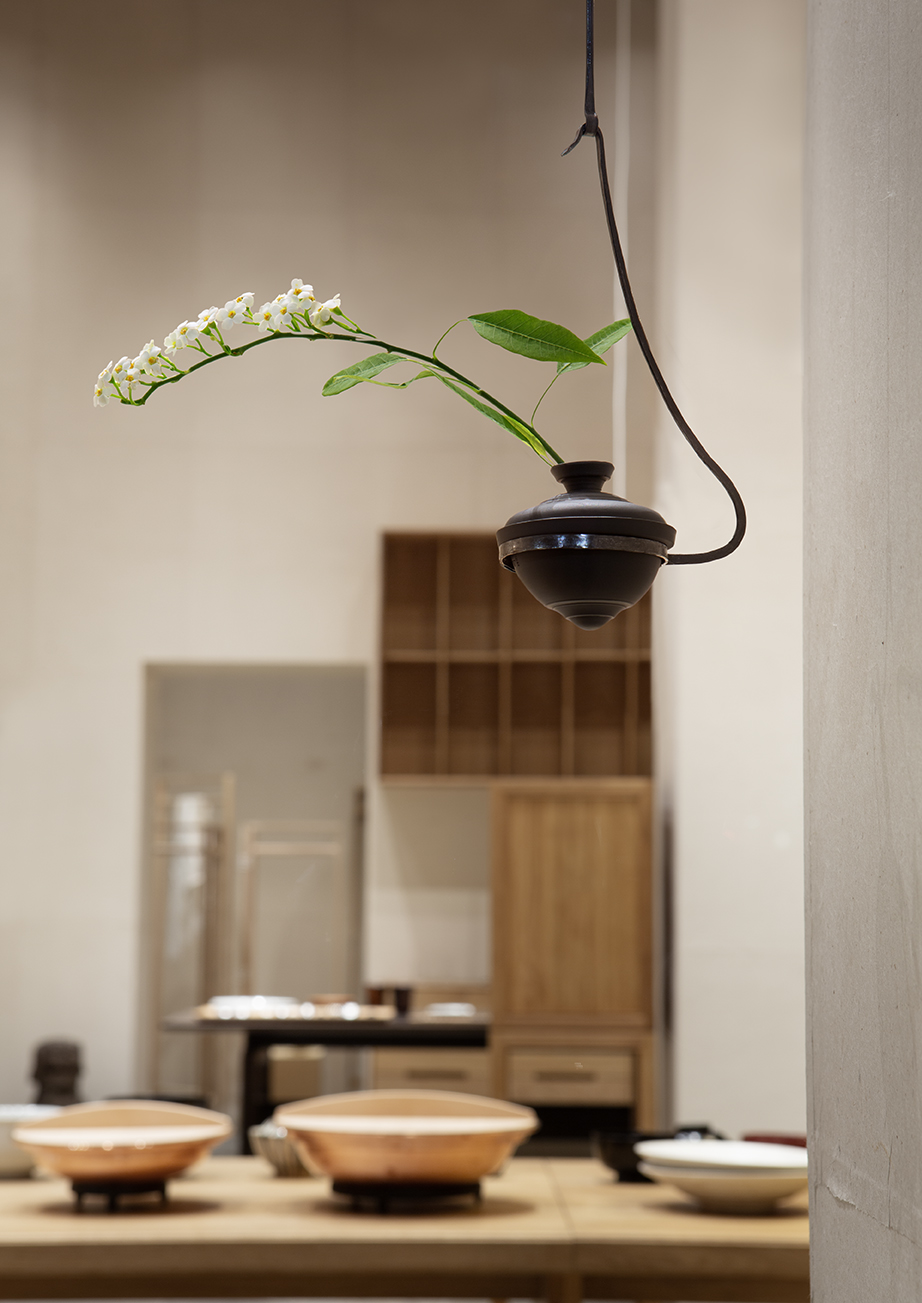
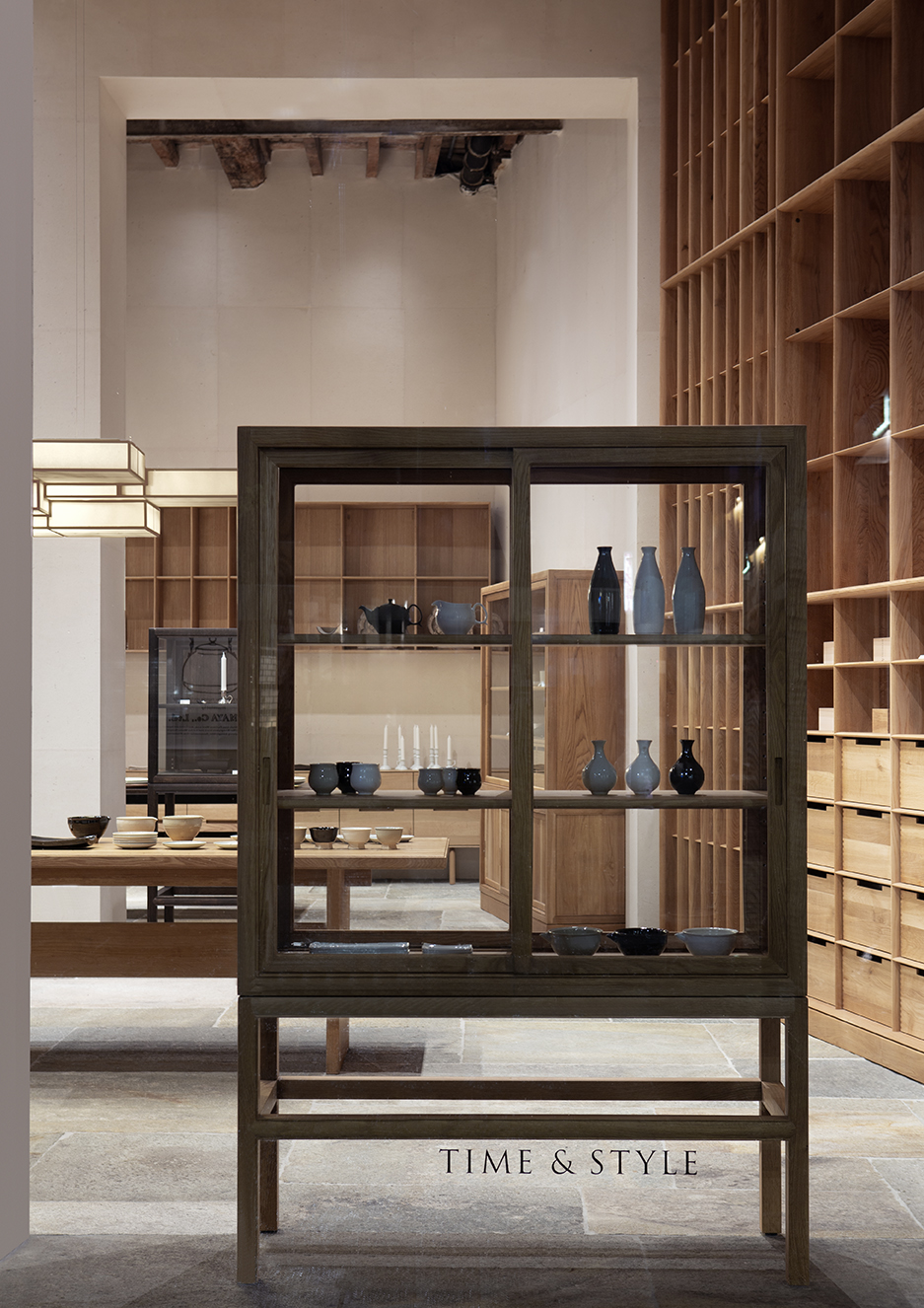
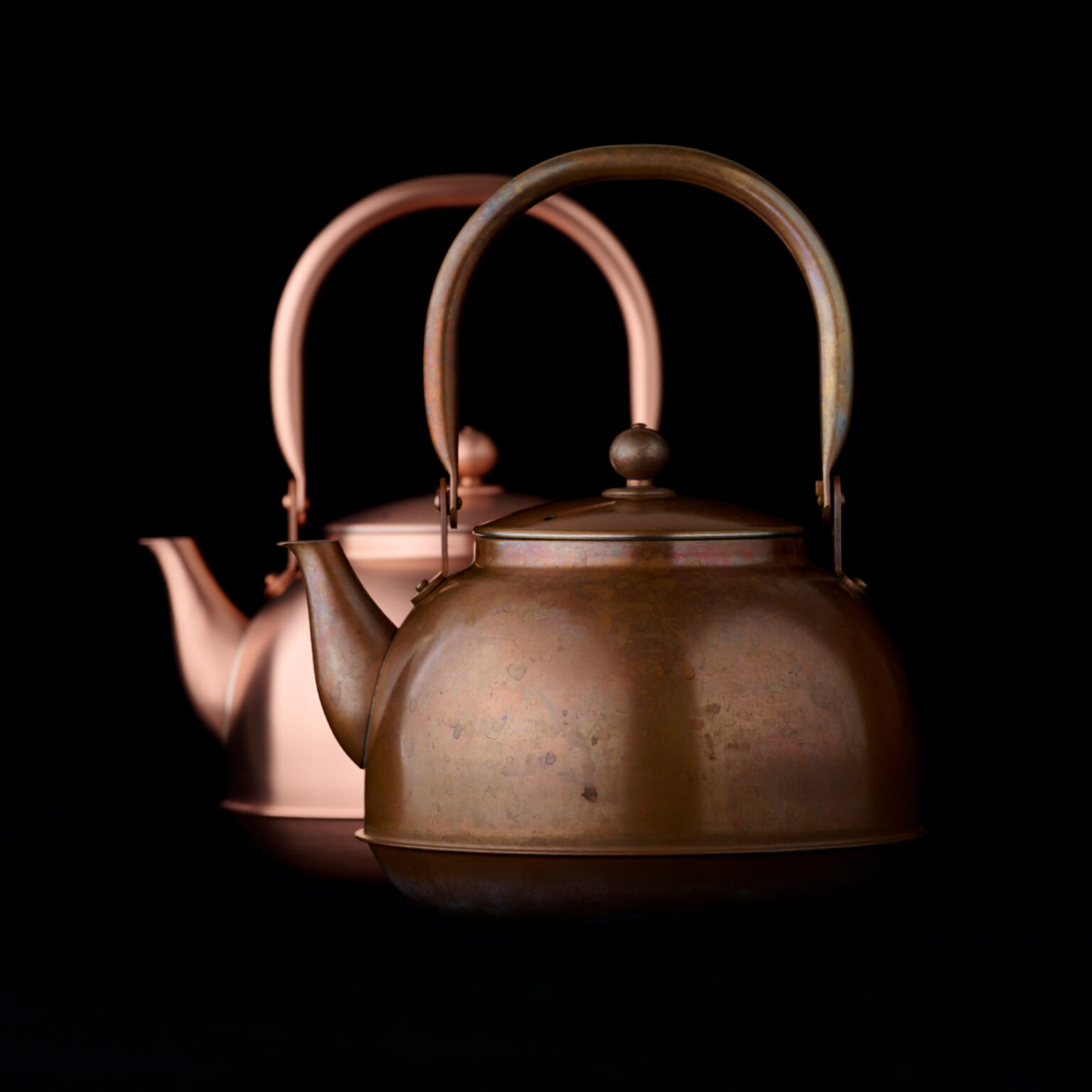
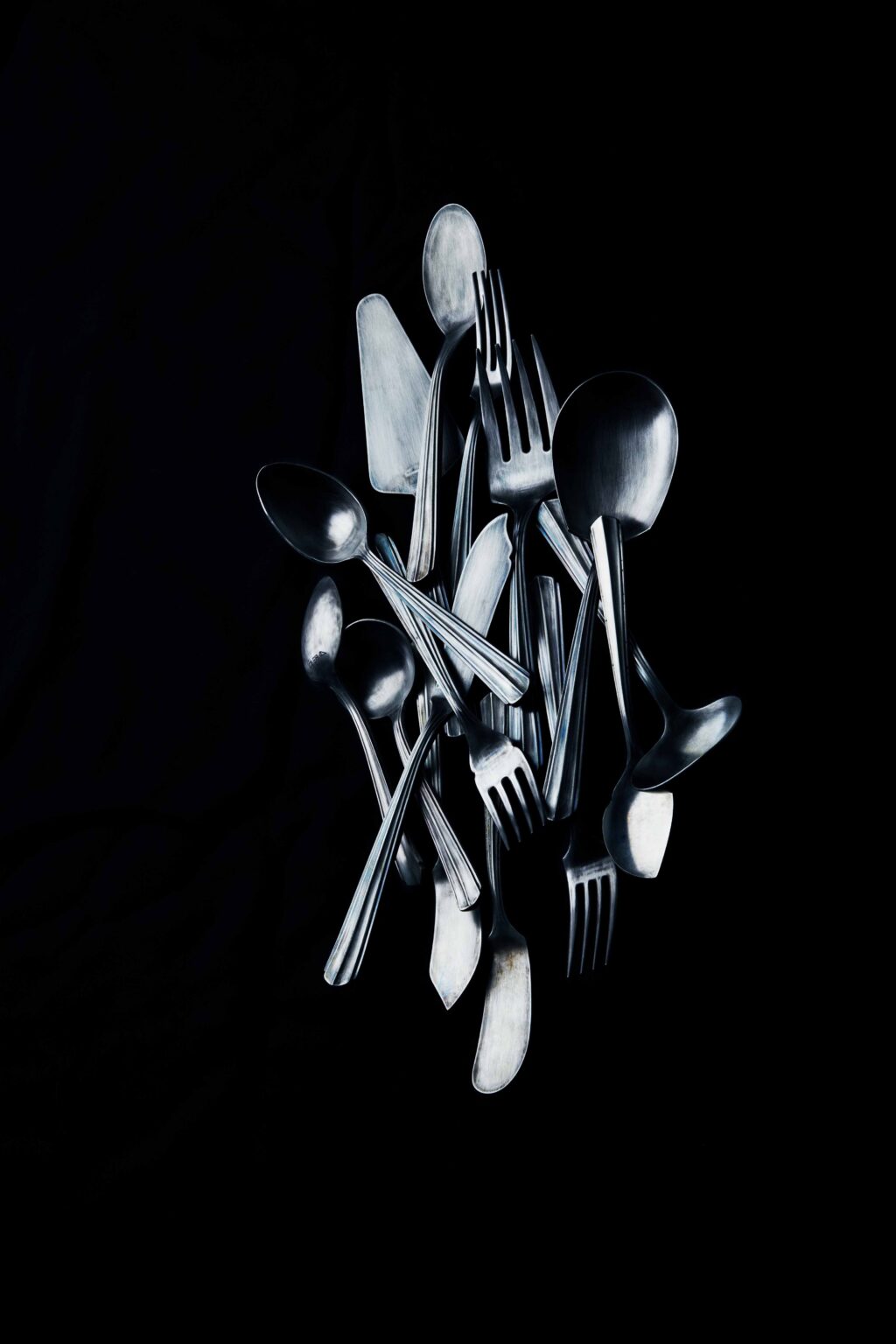
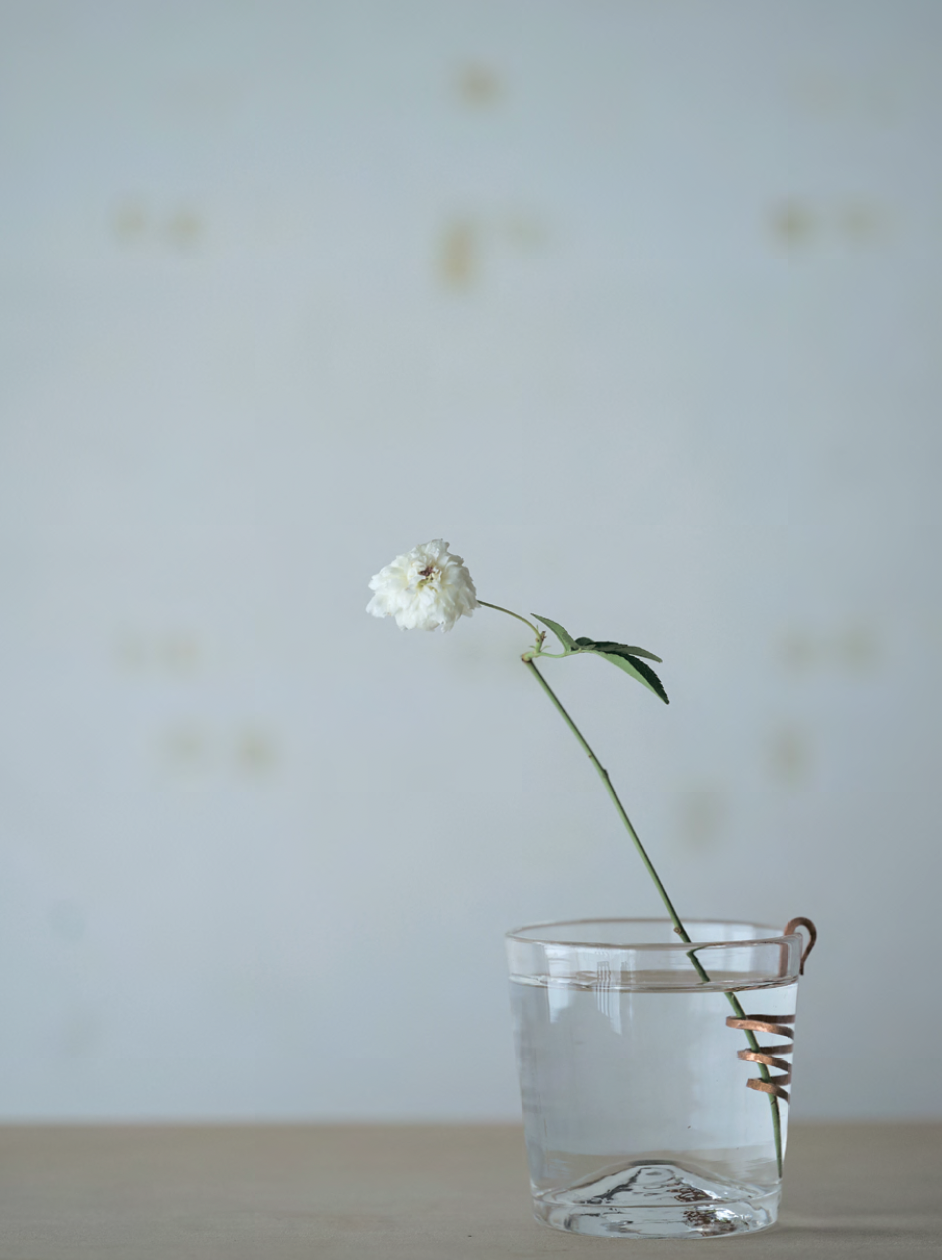
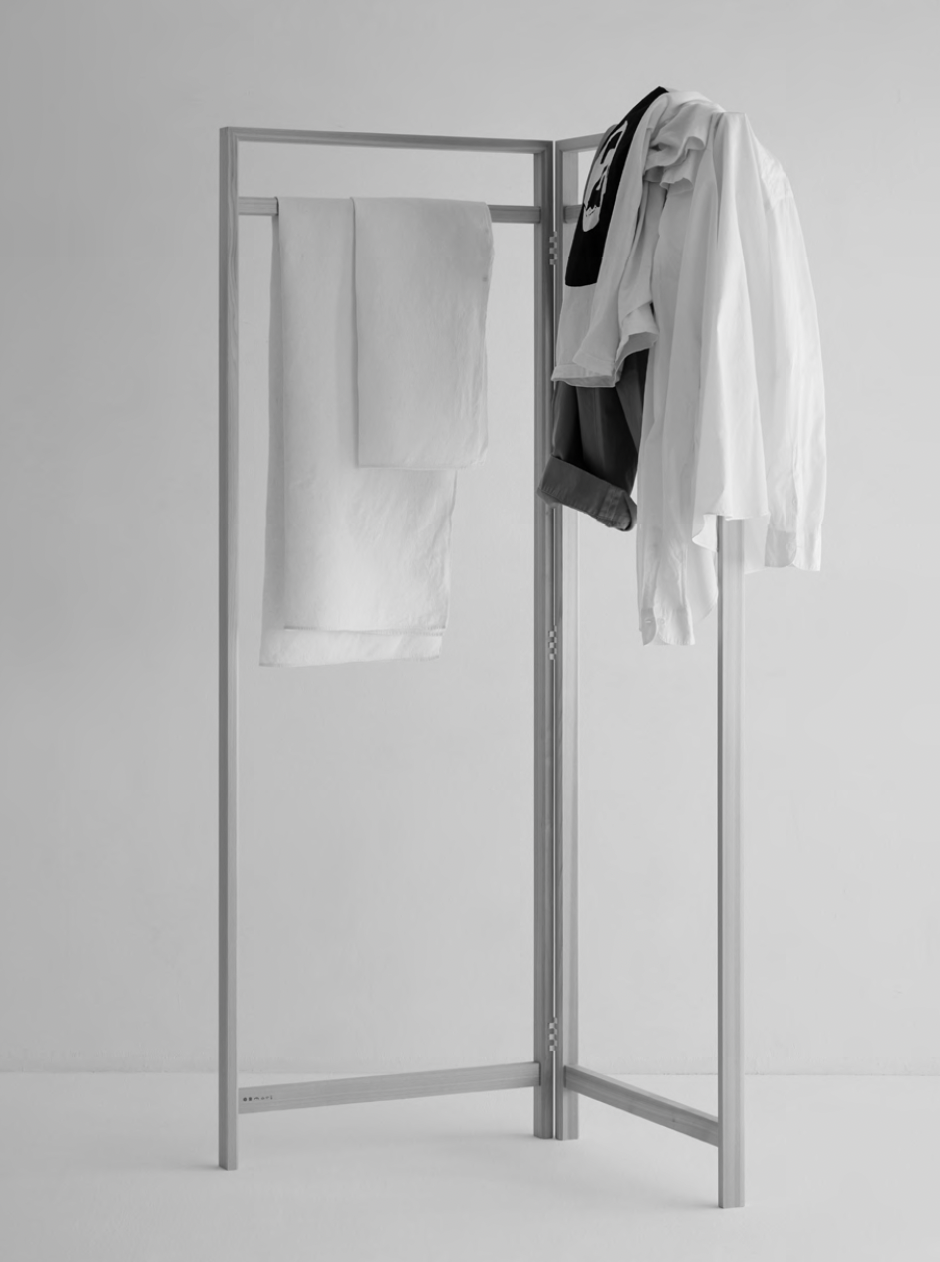
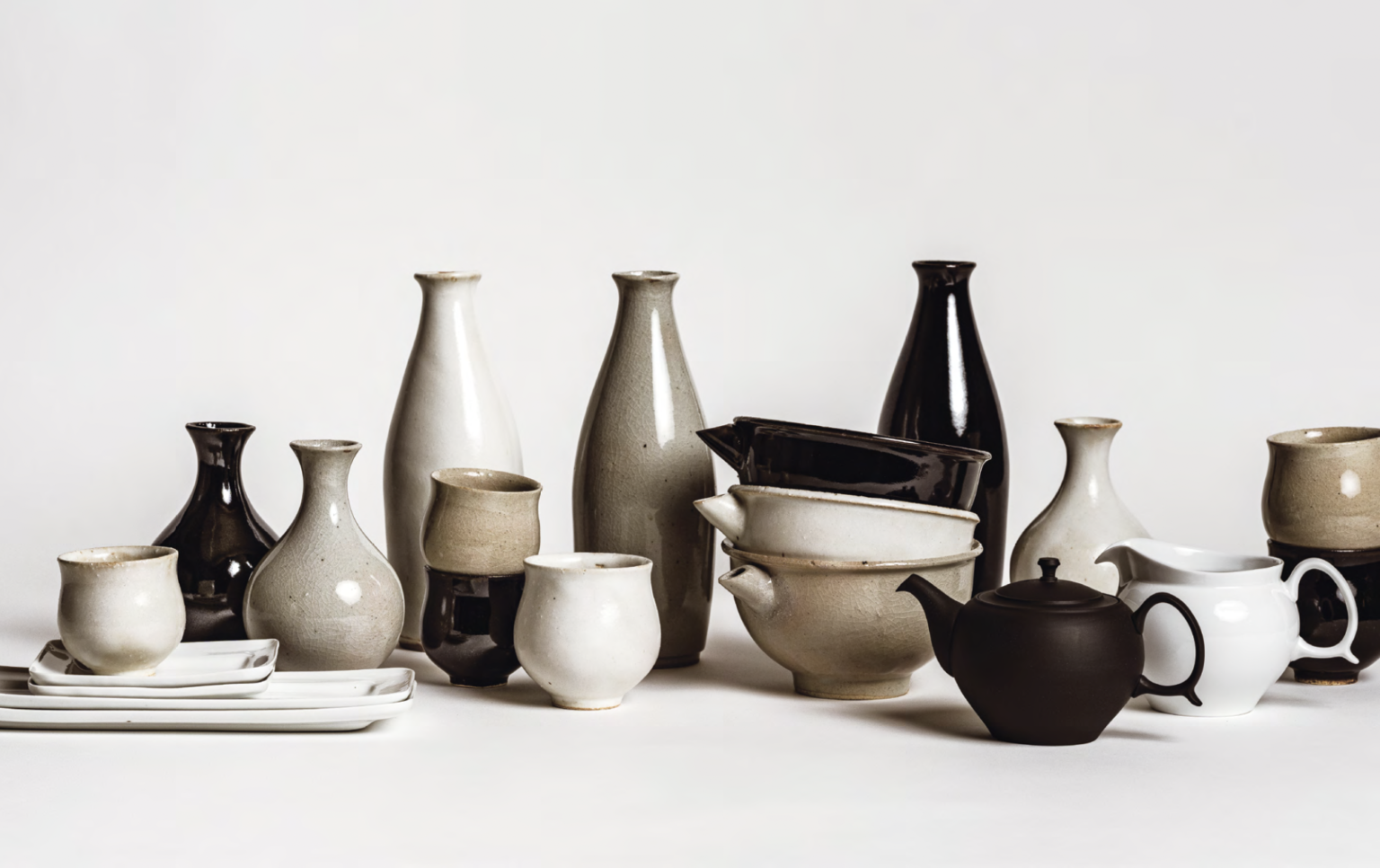
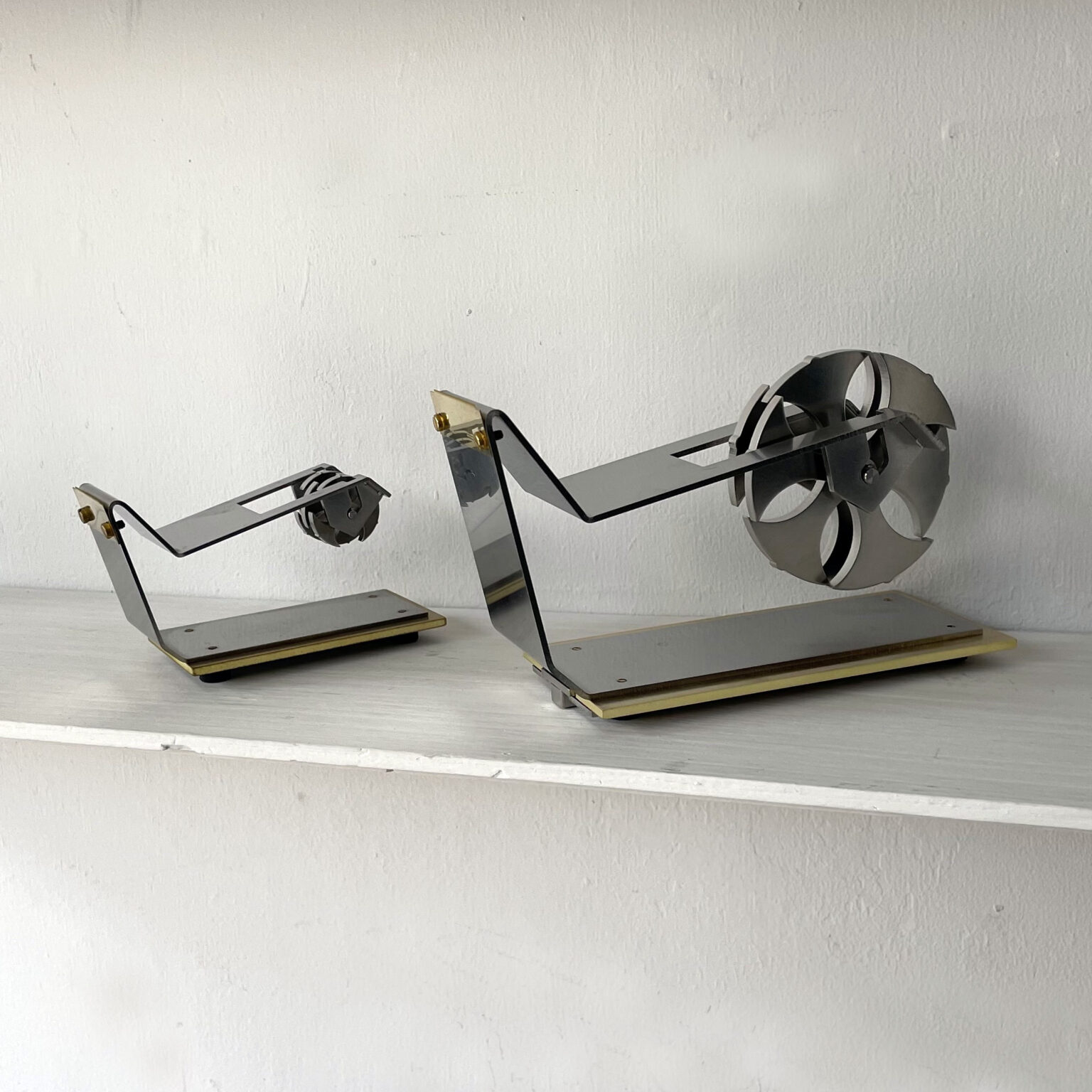
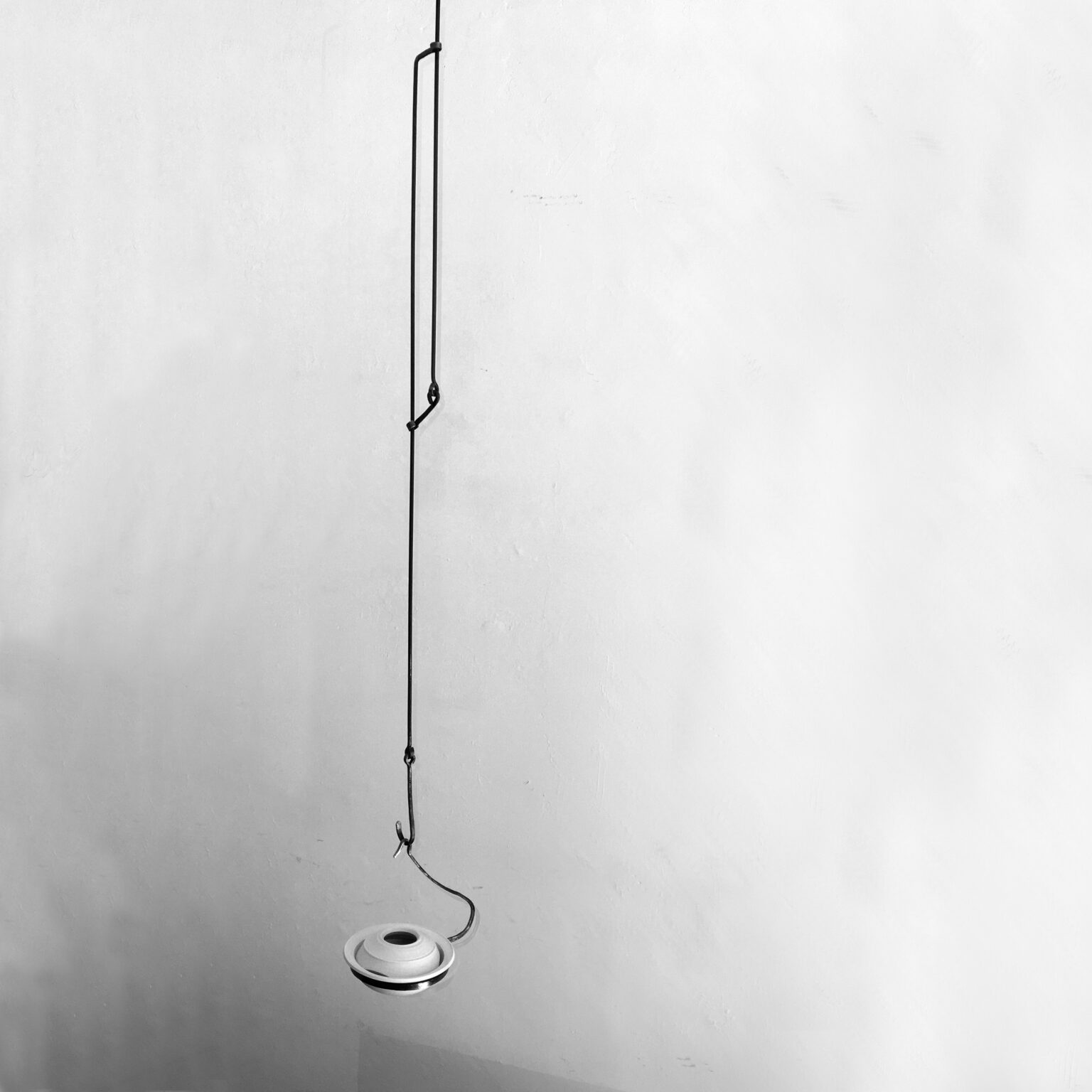
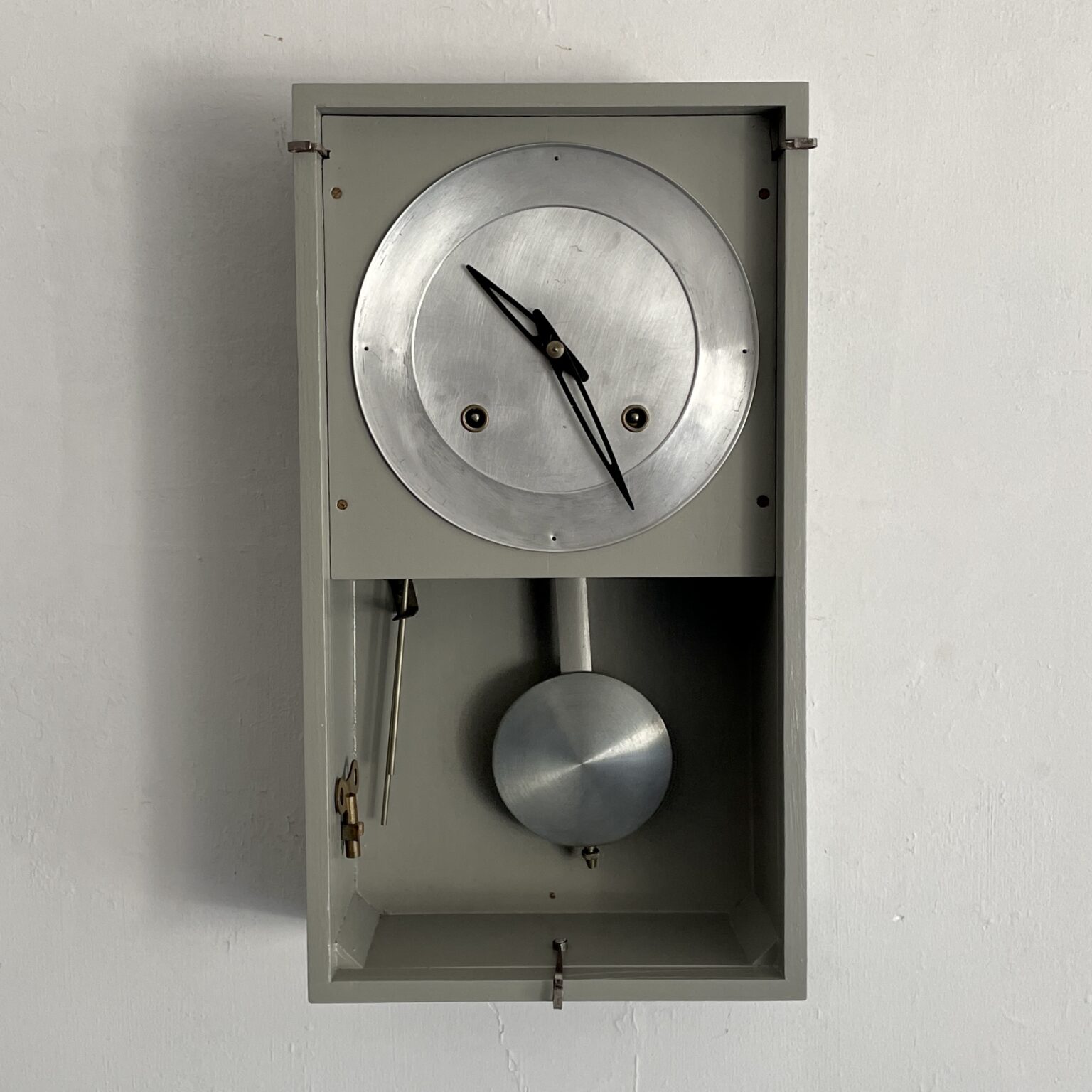
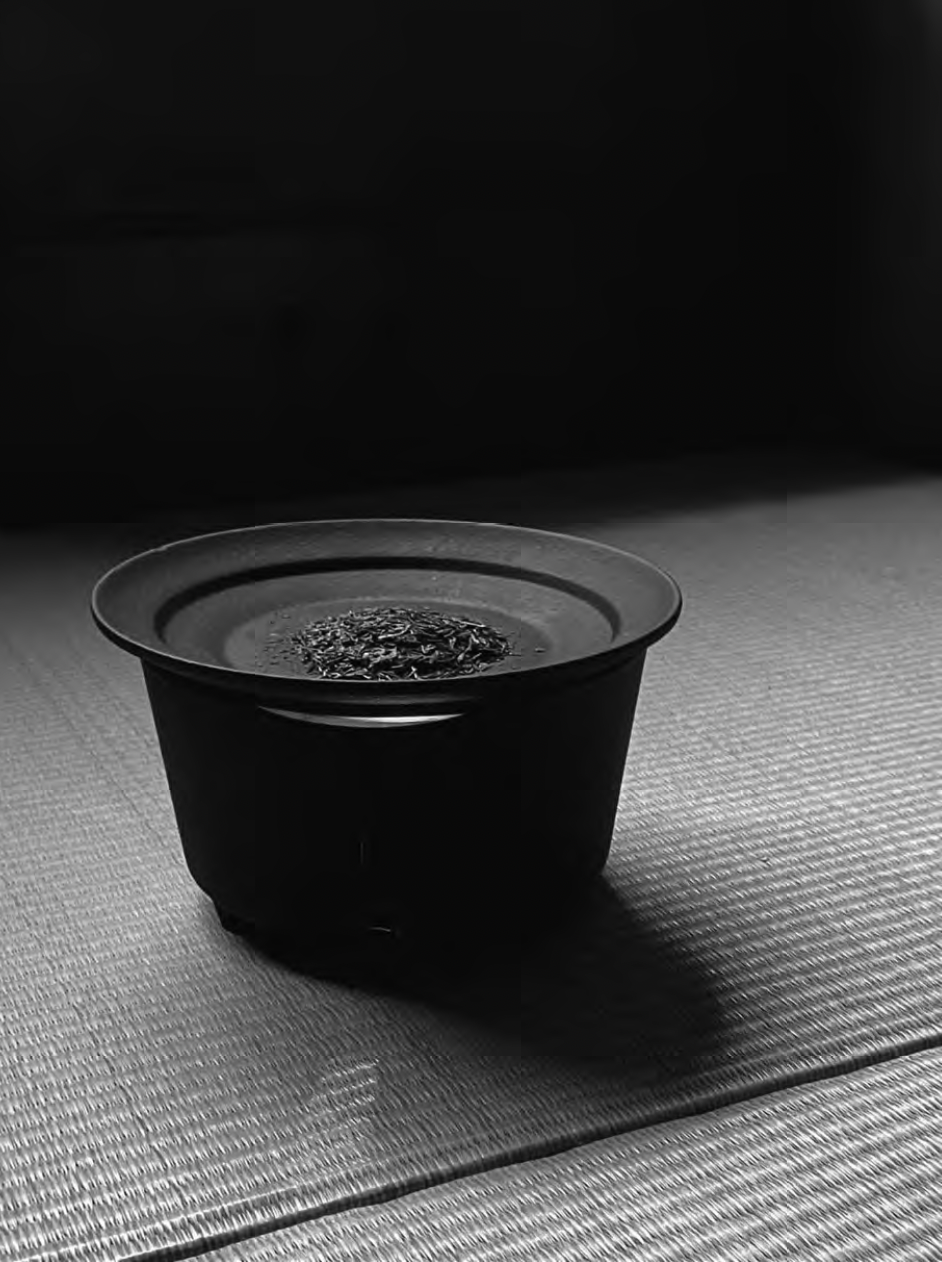
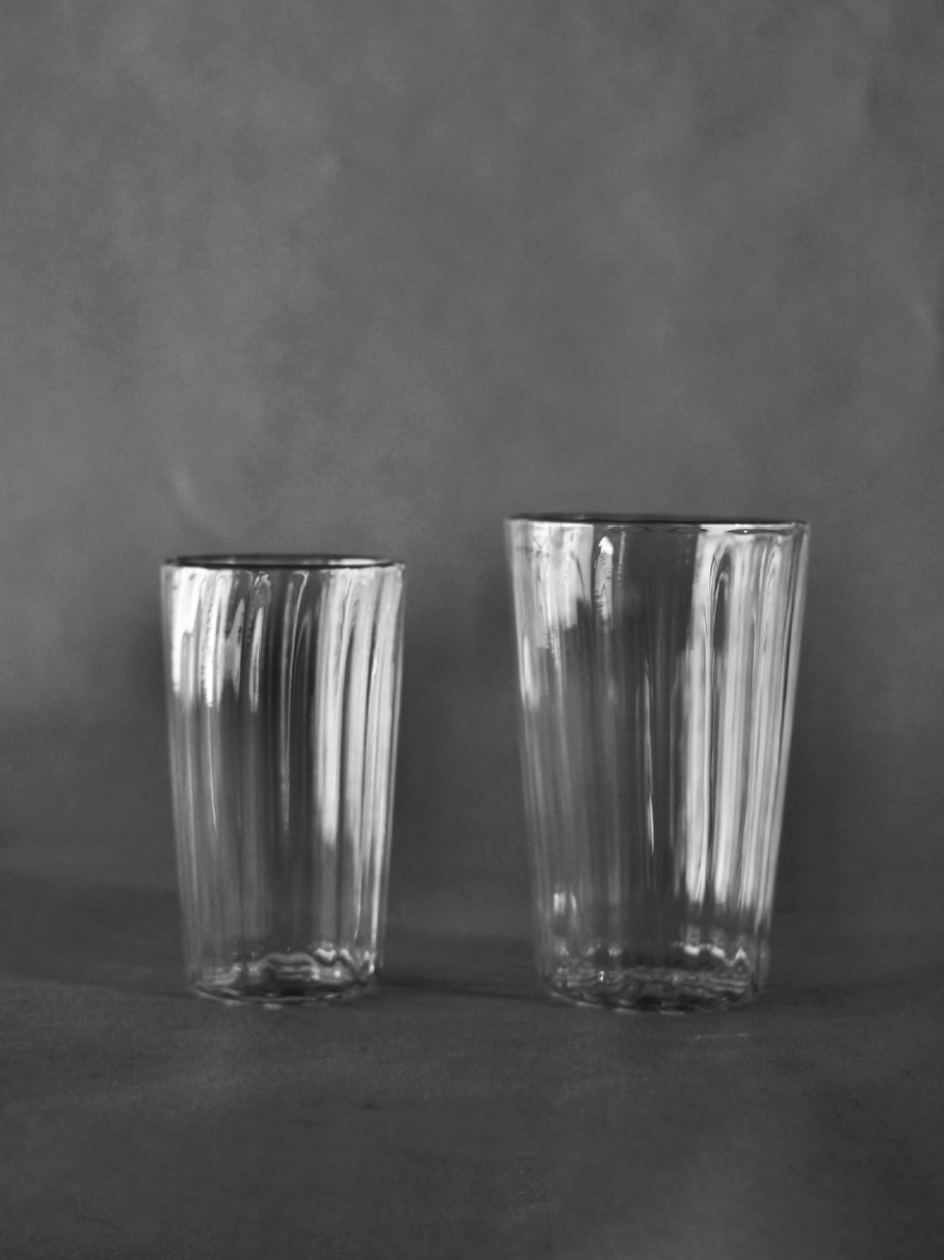
Time & Style presents Until We Meet Again, Three Hundred Years From Now, a joint exhibition by Azmaya and designer Osamu Saruyama, exploring a collection of objects shaped by a philosophy of material honesty — made not to resist time, but to live alongside it, where scratches, patina and wear are not flaws but signs of a life lived.
Time & Style Milan
15 Oct – 6 Nov 2026
Largo Claudio Treves 2, 20121 Milan, Italy
milan@timeandstyle.com
+39 02 49658 560
fotos by Alberto Parise
Instagram: @albertoparise_ph
——Things That Endure Beyond Time ——
When I speak with Takehiro Kumata of Azmaya and Osamu Saruyama, I often feel that what they think about in their work is deeply connected to what we ourselves contemplate every day as we make things. It is not about creating something distinctly Japanese, nor is it simply about preserving traditional crafts. What we share is something more fundamental: questions like, Why do we make things? Why do we use them? And how does time accumulate in the things we make over the course of our lives? Kumata often speaks of “being honest with materials.” Wood should remain wood, iron should remain iron, and clay should remain clay. This means embracing the inherent nature of each material rather than concealing it for the sake of convenience or efficiency. Wood will become scratched, iron will rust, and surfaces will change color with time. Rather than resisting these changes, we live with them. Behind this way of thinking lies a sensibility that has existed in Japan for centuries: rather than attempting to completely control nature, we move a little closer towards it and allow ourselves to live in accordance with its innate character. I sense something very similar in the work of the designer Osamu Saruyama. The objects Saruyama creates rarely assert themselves. They are quiet and restrained, and at first glance they can seem as though they have always existed. Yet when we look more closely, we discover an accumulation of extremely subtle decisions in their proportions, contours, thicknesses, and the way they feel in the hand. Rather than inventing new forms for the sake of novelty, Saruyama looks carefully at forms that people have used over long periods of time. He removes what is unnecessary and quietly places them back into contemporary life. It is a form of design so discreet that even the traces of having been “designed” seem to disappear.
Kumata says that one of the measures by which he judges the things Azmaya makes is whether they could sit naturally on the same table as an object made a thousand years ago. At the same time, he imagines the things Azuma makes today appearing in an antique shop a hundred or two hundred years from now. I am deeply drawn to this idea. Contemporary manufacturing constantly asks us to create something new, consume it within a short period of time, and then replace it with the next new thing. But what does it really mean for something to be new? Perhaps it is far more contemporary to create something that can exist naturally beside an object made a hundred years ago, and that someone may still pick up and continue to use a hundred years from now. Azmaya’s way of making is not founded upon the expression of a single designer. There are people who prepare the materials, craftspeople who work with them, Kumata, Saruyama and many others. Their different experiences and knowledge come together and gradually take the form of a single object. Kumata describes this as an “orchestra.” It is not about allowing one voice to become louder than the others. Each voice retains its own character while contributing to a greater harmony. I believe this is one of the essential qualities of Japanese making. Throughout Japan, there are generations of people whose names may never become widely known, yet who have devoted themselves to a particular material, technique or tool. But these skills cannot remain alive simply by being preserved in museums. The things must be used. They must continue to be ordered and made. And the craftspeople who make them must be able to sustain their lives through their work. For Kumata, therefore, selling things and preserving culture are not separate activities. Profit is not the purpose. It is a means by which culture can be carried forward to the next generation. This way of thinking is deeply connected to the reasons why Time & Style has continued to make things in Japan.
The reason we wanted to present the work of Azmaya and Osamu Saruyama in Milan and Amsterdam is not simply to introduce beautiful Japanese objects for daily life to Europe. We wanted to share the question that lies behind them: What do we wish to leave for the future? Objects can sometimes live longer than people. A vessel used every day by one person may remain after that person is gone, eventually finding its way into the life of someone else. Within that object, time quietly accumulates—the time of the person who made it, the person who used it, and the person who later inherited it. The things created by Kumata and Saruyama possess a certain openness to time. They are not complete at the moment when they are new. They are used. They are scratched. Their colors change. They absorb the memories of the people who live with them, and only gradually do they become complete. Perhaps this is why their objects are so quiet. They have no need to raise their voices or insist upon their own presence. They simply exist, supporting everyday life and becoming more beautiful with time. Through this exhibition, we hope to convey this way of making—this particular relationship between objects, people and time—from Japan to Milan and Amsterdam. And three hundred years from now, even if our names have been forgotten, perhaps some of the things gathered here will still remain somewhere in the world, quietly being used as part of someone’s everyday life. For those of us who make things, I can imagine no greater happiness.
——Ryutaro Yoshida (Time & Style)
猿山修がテーブルウェアのデザインを提供している タイム アンド スタイル がオランダ・アムステルダムにオープン致します。 http://www.timeandstyle.com/plus/news/news_contents/20170306news01.html
2017年3月23日(木)グランドオープン
TIME & STYLE
Marnixstraat 148, 1016 TE Amsterdam, The Netherlands
Tel +31 (0)20 210 3176
お近くへお出掛けになることがございましたら、是非お立ち寄りください。
TIME & STYLE which is Japanese furniture company will open own shop in Amsterdam 23rd March 2017.
You can see some table ware which are designed by Osamu Saruyama. http://www.timeandstyle.com/plus/news/news_contents/20170306news01.html
TIME & STYLE
Marnixstraat 148, 1016 TE Amsterdam, The Netherlands
Tel +31 (0)20 210 3176
Please drop in when you happen to be in Amsterdam.